
Bilawal Bhutto on Kashmir drew attention on Wednesday as the Pakistan Peoples Party (PPP) chairman said that only the people of Kashmir have the right to decide their future, stressing that no constitutional change can be imposed through armed action or protest sit-ins. He called for dialogue and restraint to resolve the ongoing political situation in Azad Jammu and Kashmir (AJK).
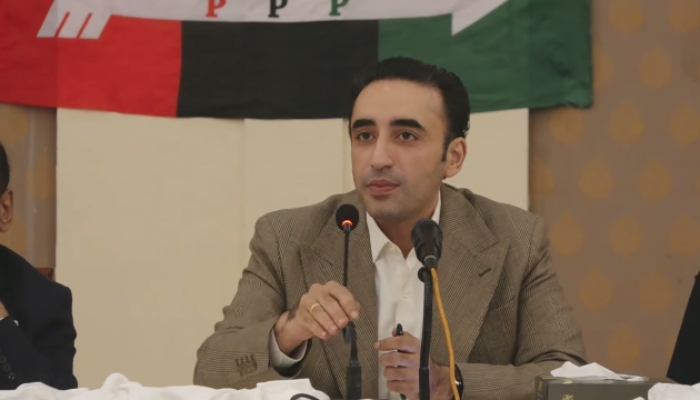
Addressing PPP office-bearers and workers in Muzaffarabad, Bilawal Bhutto expressed concern that the current unrest in AJK could damage the broader Kashmir cause. He said the situation requires wisdom, political maturity, and efforts to prevent further escalation.
Bilawal criticized statements made by some federal ministers, claiming they had contributed to the current political crisis in AJK. He urged the federal government to take responsibility for reducing tensions and finding a peaceful solution through political engagement.
He also said no individual sitting in Islamabad should decide who qualifies as a Kashmiri. According to Bilawal, any disrespectful language directed at the people of Kashmir causes deep concern, and the issue cannot be resolved through force or confrontation.
Calling on protesters to end demonstrations and sit-ins, Bilawal acknowledged that peaceful protest is a democratic right but said violence and armed tactics cannot be justified. He warned against allowing extremism or militant-style politics to gain ground in the region.
The PPP chairman said he supports resolving Kashmir-related issues within Azad Kashmir through constitutional and democratic means. He reiterated that amendments to constitutional arrangements cannot be achieved through pressure, weapons, or prolonged sit-ins, emphasizing the importance of consensus and dialogue.
Referring to national security, Bilawal said Pakistan’s armed forces remain a national red line and should not be targeted through inflammatory rhetoric. The Bilawal Bhutto on Kashmir remarks highlighted his call for political stability, peaceful negotiations, and respect for democratic and constitutional processes.