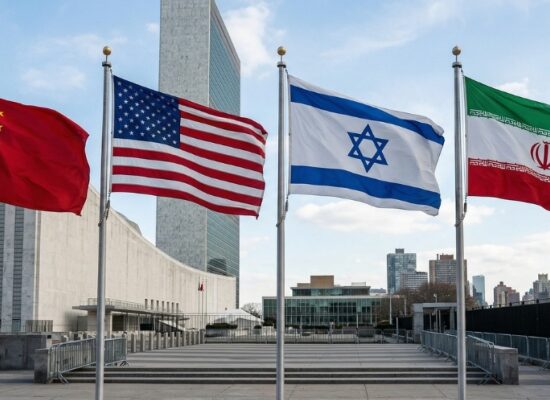

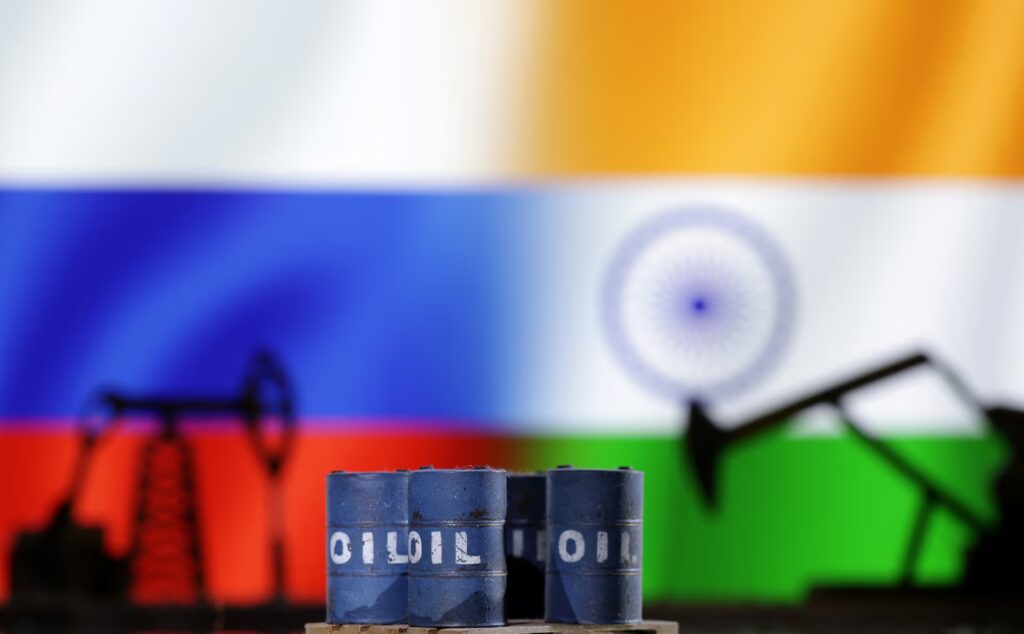
India is moving to revive its energy partnership with Russia as the Middle East conflict disrupts global oil and gas supplies. Surging prices following the U.S.-Israeli attack on Iran have forced Delhi to seek direct Russian energy imports. This decision affects Indian consumers, businesses, and state-owned energy companies facing shortages and rising costs.
Sources say India and Russia have agreed to prepare for direct liquefied natural gas sales, a first since the Ukraine war began. Negotiations could conclude within weeks, though the deal risks breaching Western sanctions. Indian refiners may also double crude oil imports from Russia to roughly 40 percent of the country’s total consumption.
The policy shift reverses India’s earlier reduction in Russian crude purchases, made to ease U.S. tariff pressure under former President Trump. Experts note that disruptions through the Strait of Hormuz and escalating energy prices prompted Delhi to reconsider, highlighting the need for secure energy sources. Government reports warned that prolonged shortages could increase inflation, weaken the rupee, and raise foreign debt.
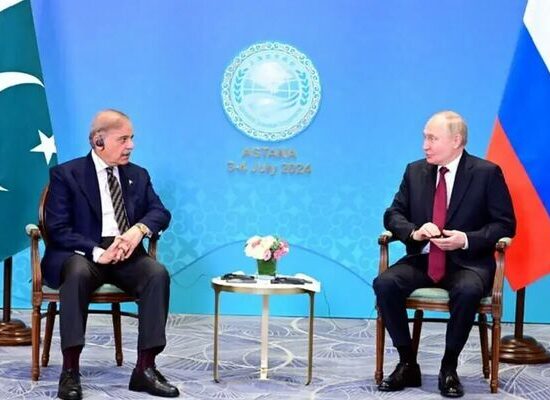
Moscow is also exploring opportunities in India’s power transmission sector and air connectivity, including potential direct flights. Trade between the two countries increasingly uses rupees and roubles, with billion-dollar transactions completed in a day. Analysts say this strengthens India-Russia relations, emphasizing trust, equality, and long-term strategic partnership.
While Delhi seeks a U.S. sanctions waiver, officials stress that energy policy is guided by domestic demand, market dynamics, and global conditions. India continues buying sanctioned liquefied petroleum gas for cooking, helping to prevent shortages and maintain essential supplies.