

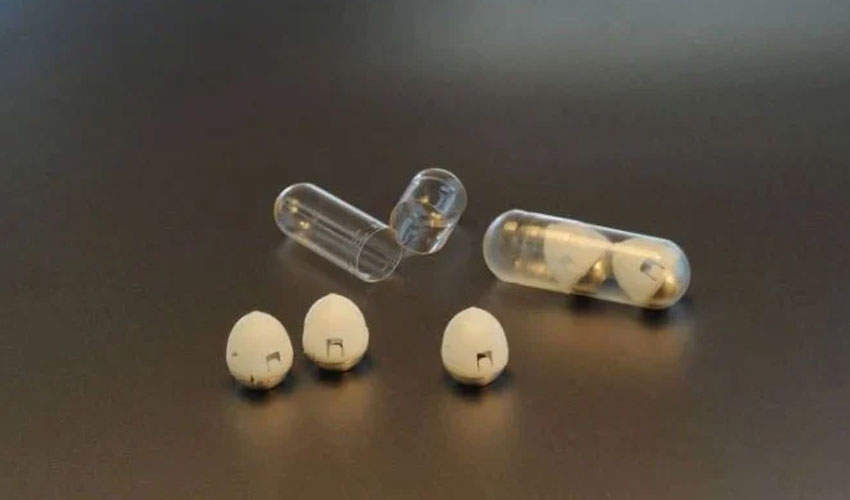
Scientists in Japan have made a significant breakthrough, developing insulin pills that could potentially replace injections for diabetes patients. The oral delivery system promises simpler, less painful treatment, offering hope after decades of research challenges. This advancement could transform daily diabetes management for millions worldwide.
For more than 100 years, researchers have struggled to create effective insulin pills because the human digestive system breaks insulin down before it reaches the bloodstream. Additionally, the intestines lack a natural way to absorb insulin efficiently, making oral delivery extremely difficult.
Researchers at Kumamoto University believe they may have overcome these obstacles using a cyclic peptide called “DNP peptide.” This special compound allows insulin to pass through the small intestine intact and enter the bloodstream without being destroyed.
The team tested two approaches: one combined insulin with the peptide, and the other chemically linked insulin to it. Both methods successfully lowered blood sugar levels in diabetic mice and achieved significantly higher absorption than previous oral insulin attempts, with bioavailability reaching 33 to 41 percent.
Although the findings, published in Molecular Pharmaceutics, are still in early stages, researchers are optimistic. Larger animal studies are underway, with human trials expected to follow, bringing practical insulin pills closer to everyday use.