
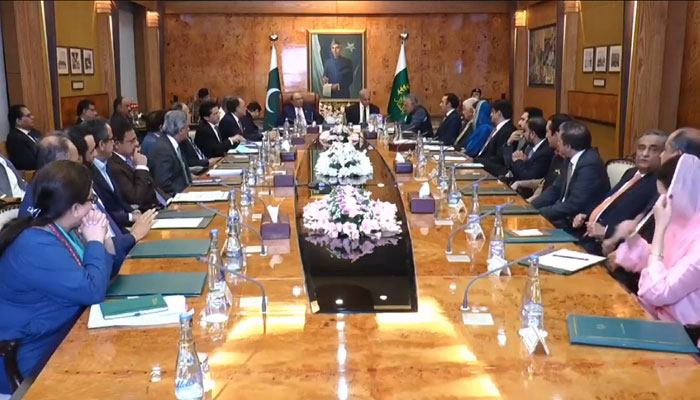
Pakistan smart lockdown decision has been officially announced following a high-level consultation at the President’s House in Islamabad. The meeting reviewed the country’s economic, energy, and security challenges amid global tensions affecting fuel prices and supply.
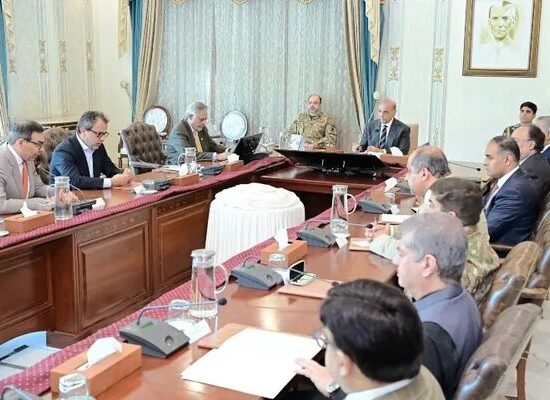
President Asif Ali Zardari chaired the session attended by Prime Minister Muhammad Shahbaz Sharif, federal ministers, chief ministers of all provinces, the Prime Minister of Azad Jammu & Kashmir, national security advisors, and senior officials. The focus was on providing maximum relief to vulnerable populations and controlling inflationary pressures.
The government decided against imposing a nationwide smart lockdown on Saturdays and Sundays, despite proposals aimed at reducing fuel consumption. Provincial representatives argued that such restrictions could disrupt productive activities and negatively impact exports, leading to the decision not to implement the measure.
Under the consultation, it was also confirmed that fuel supply will continue uninterrupted despite global price pressures. Proposals to raise petroleum prices were rejected, while cost-cutting measures in government expenditures were instructed to optimize available resources.
Officials noted a paradoxical 25% increase in fuel consumption despite higher prices. The Ministry of Information has been directed to run public awareness campaigns encouraging citizens to adopt energy-saving lifestyles, including the use of public transport and shared mobility.
The consultation included a detailed assessment of regional developments and their potential impact on Pakistan’s economy and food security. Provincial governments, including Gilgit-Baltistan and Azad Jammu & Kashmir, presented measures to ensure the availability of essential commodities and minimize public hardships, enabling a coordinated national response.
Additionally, the meeting highlighted the government’s diplomatic engagements with Turkey, Saudi Arabia, Egypt, and leaders of countries involved in regional conflicts. It was emphasized that cost savings from austerity measures are being redirected toward public relief, ensuring fuel availability and economic stability despite global challenges.