
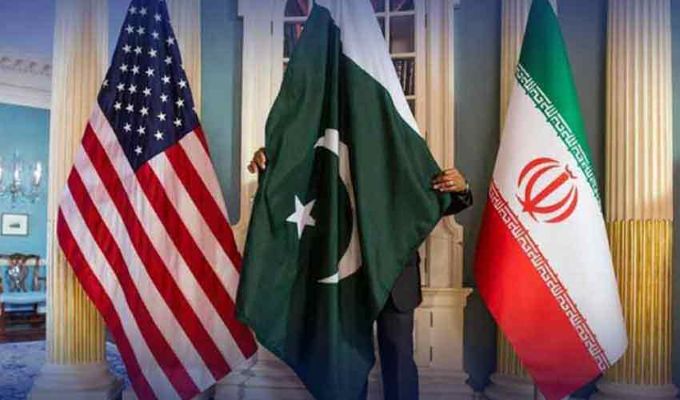
Pakistan has put forward a framework to end hostilities between Iran and the United States, offering a two-phase solution. The plan includes an immediate ceasefire and a follow-up comprehensive agreement.
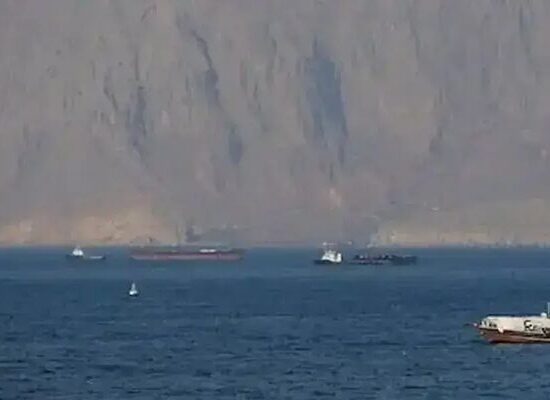
The proposal, exchanged with Iran and the US, is tentatively called the “Islamabad Accord.” It outlines a ceasefire that could take effect immediately, reopening the Strait of Hormuz and allowing 15–20 days to finalize a broader settlement.
According to sources, Field Marshal Asim Munir has maintained continuous communication with US Vice President JD Vance, special envoy Steve Witkoff, and Iranian Foreign Minister Abbas Araqchi throughout the night.
The accord includes a regional framework for the strait, with final in-person negotiations scheduled in Islamabad. The initial understanding is being structured as a memorandum of understanding finalized electronically through Pakistan, the sole channel in the talks.
Iran has not yet committed to the proposals despite ongoing civilian and military outreach. The plan, backed by Pakistan, China, and the United States, envisions a temporary ceasefire that could lead to a permanent resolution.
Key points of the proposed agreement include Iran’s commitment not to pursue nuclear weapons in exchange for sanctions relief and the release of frozen assets. Tehran has emphasized that any ceasefire must guarantee it will not face attacks from the US or Israel in the future.
The latest diplomatic effort comes amid rising tensions that threaten global oil supplies through the Strait of Hormuz. Energy markets remain volatile as traders watch developments closely, while US President Donald Trump has called for a swift resolution to prevent further escalation.