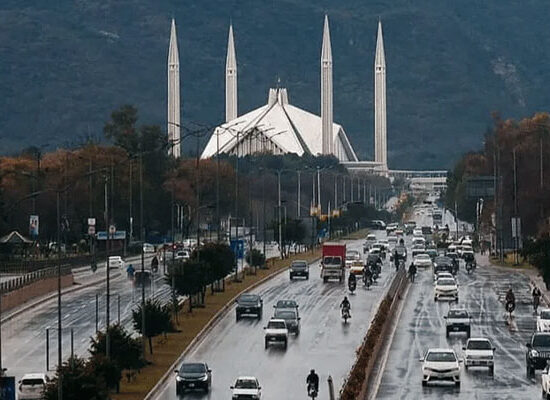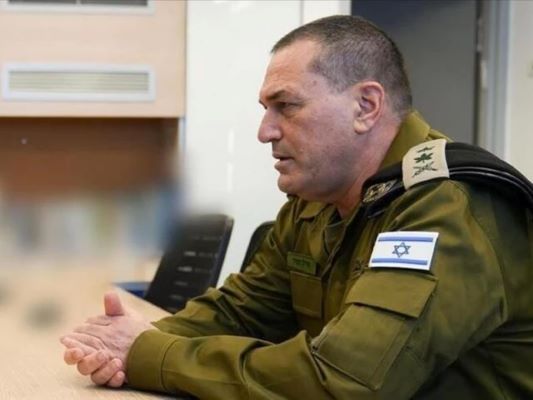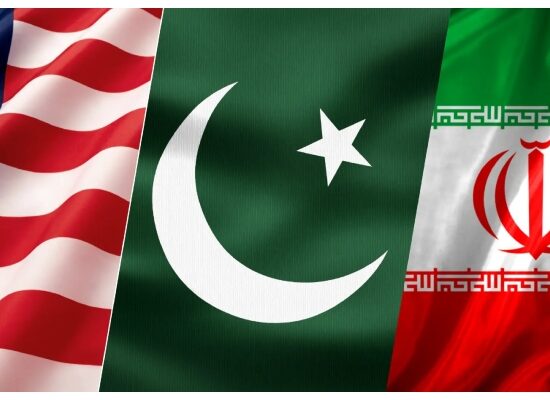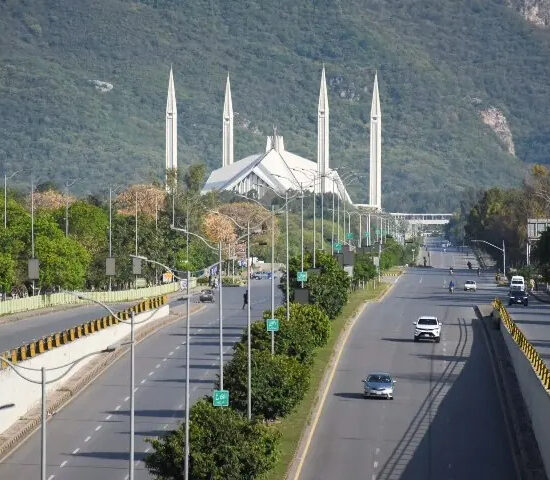

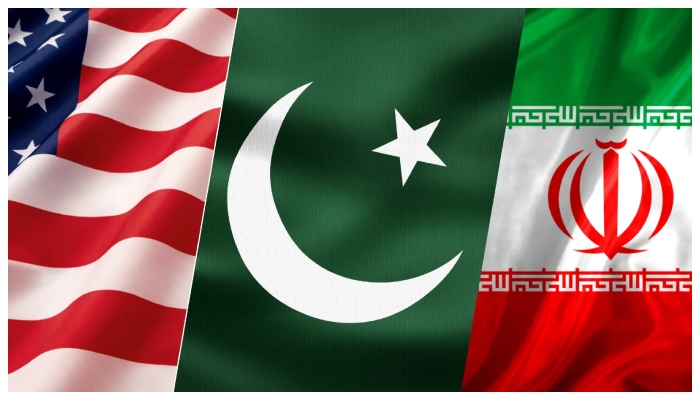
The Iran Islamabad Talks have drawn international attention as Iran confirmed its participation while simultaneously expressing deep skepticism about the United States’ intentions in the ongoing diplomatic process.
Iran’s Vice President Mohammad Reza Aref stated that Iran will actively participate in the Iran Islamabad Talks, but serious doubts remain due to what he described as the “deceptive nature” of US policies, which continue to affect trust between the two sides.
He acknowledged Pakistan’s diplomatic efforts in facilitating a temporary ceasefire and praised Islamabad’s role in enabling dialogue between conflicting parties, highlighting the importance of the Iran Islamabad Talks as a diplomatic platform.
According to Aref, Iran will attend the negotiations with full authority and a strong delegation, aiming to translate its military achievements into diplomatic strength through the Iran Islamabad Talks framework.
He further stated that during the 40-day conflict period, Iran had successfully challenged enemy assumptions and claimed strategic victories, calling the situation a turning point in regional geopolitics linked indirectly to the Iran Islamabad Talks.
The Iranian vice president also described the conflict as a decisive phase that could reshape regional and global strategic equations, emphasizing Iran’s resilience and national unity throughout the crisis.
Despite participation in the Iran Islamabad Talks, Iran’s leadership made it clear that trust issues with the United States remain unresolved, indicating that the diplomatic process may face significant challenges ahead.