

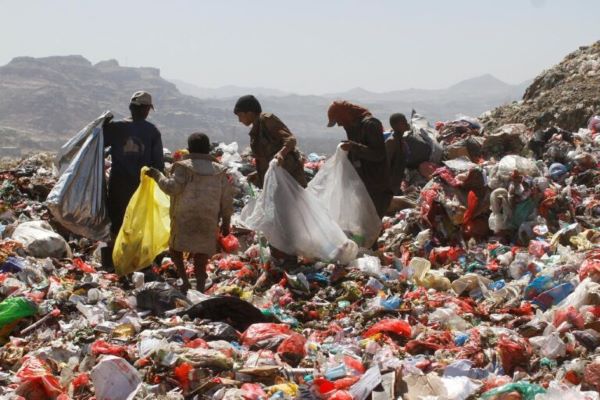
Pakistan food waste is emerging as a serious national concern, with the country ranking among the top global food-wasting nations. On average, more than 120 kilograms of food are wasted per person each year, highlighting inefficiencies in consumption patterns, storage systems, and supply chains.
Despite this excess, millions of Pakistanis continue to face food insecurity, struggling to access sufficient and nutritious meals. This stark contrast underscores the urgent need for better resource distribution and public awareness about responsible consumption.
Experts identify several factors driving Pakistan food waste, including inadequate storage facilities, mishandling during transportation, over-purchasing, and lack of awareness among consumers. In urban centers, waste from households, restaurants, and social events significantly contributes to the problem.
Addressing Pakistan food waste requires coordinated efforts from government agencies, businesses, and citizens. Public awareness campaigns can educate people on reducing waste, while improved cold storage and transportation systems can prevent spoilage along the supply chain.
Policymakers also have a critical role to play. Implementing regulations, incentivizing food recovery programs, and supporting sustainable business practices can help minimize waste while promoting food security for vulnerable communities.
Reducing food waste is not only a matter of resource efficiency but also social responsibility. By tackling this issue, Pakistan can conserve valuable resources, reduce environmental impacts, and ensure more equitable access to food.
The growing food waste crisis presents an opportunity for all stakeholders to rethink consumption habits. With coordinated action, Pakistan can build a more sustainable, efficient, and equitable food system that benefits both people and the planet.









1 comment on “Pakistan Faces Growing Food Waste Crisis”