
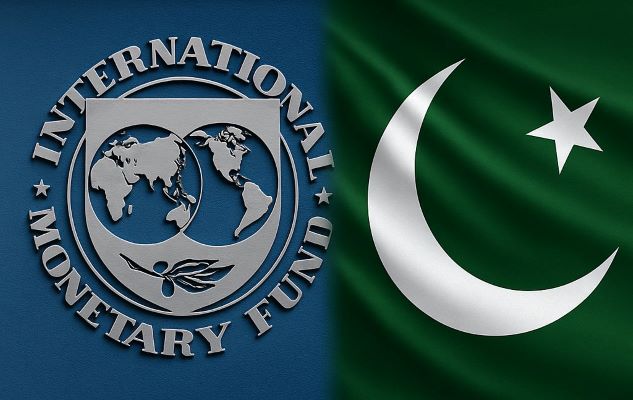
Pakistan has assured the International Monetary Fund (IMF) of an increase in the electricity tariff while limiting budget subsidies to 830 billion PKR in the upcoming fiscal year. This move aligns with the country’s commitment under the IMF’s extended fund facility.
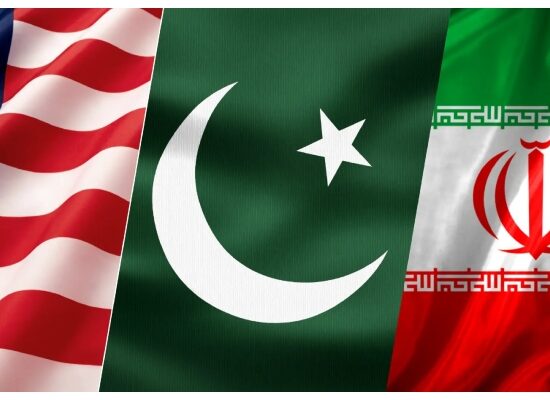
The decision comes amid rising global energy prices due to the recent Gulf conflict, which has significantly impacted international markets. Pakistan aims to manage these effects while maintaining fiscal stability.
Under the IMF’s structural benchmarks tied to a 7 billion USD extended fund facility, the new basic electricity tariff is set to take effect from January 15, 2027. This step is intended to ensure that subsidy allocations remain within the targeted limit.
Officials have emphasized that the controlled increase in electricity tariffs will help mitigate fiscal pressure without burdening the lower-income population excessively. The government plans to monitor the economic impact carefully.
The budget subsidy cap of 830 billion PKR reflects Pakistan’s strategy to balance financial discipline with the need for energy sector reforms. This measure is also expected to support the country’s broader economic recovery.
Privatization of electricity distribution companies including IESCO, GEPCO, and FESCO has been delayed once again. Authorities now expect the process to complete by early 2027, which may affect tariff adjustments and operational efficiency.
Analysts say that while the tariff hike may raise consumer costs slightly, it is a crucial step to secure IMF funding and maintain economic stability. Pakistan’s electricity tariff policy now focuses on long-term sustainability and fiscal responsibility.