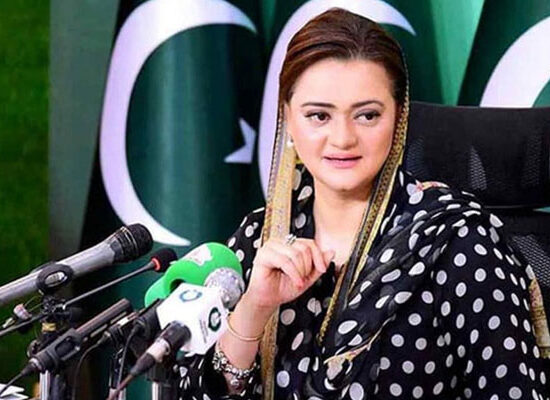

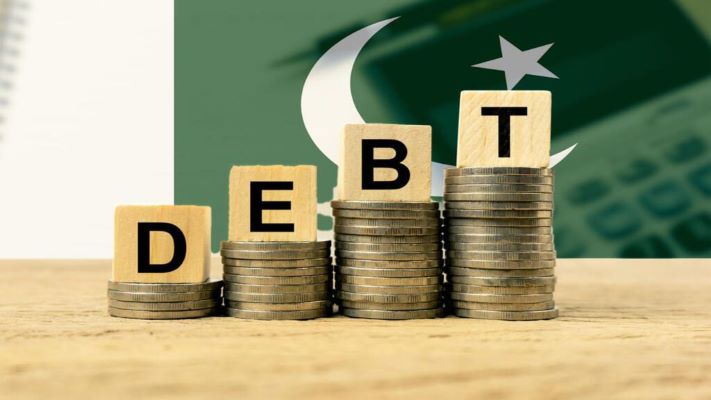
Pakistan’s total public debt has climbed to Rs. 81 trillion, raising fresh concerns about the country’s economic stability. The figures were shared during a meeting of the Senate Standing Committee on Economic Affairs, chaired by Senator Saifullah Abro, where officials reviewed both domestic and external borrowing.
During the session, representatives from the Economic Affairs Division briefed the committee on the current debt situation. They revealed that out of the total Rs. 81 trillion debt, approximately Rs. 26 trillion consists of external loans, while Rs. 55 trillion is made up of domestic borrowing.
Officials further explained the burden on citizens by breaking down the figures on a per capita basis. With Pakistan’s population estimated at around 250 million, the average debt per person has reached roughly Rs. 325,000, indicating that every citizen carries a significant financial burden.
The rising debt level reflects the country’s continued reliance on borrowing to meet fiscal needs, including budget deficits and development spending. Concerns were also raised about the sustainability of such borrowing trends in the long term.
Experts warn that increasing debt levels could limit economic growth and put additional pressure on government finances. They stress the need for structural reforms, improved revenue generation, and reduced dependency on loans to stabilize the economy.