
Sri Lanka electricity price hike has been officially announced, with authorities confirming an increase of nearly 40% starting this week. The move comes as the country struggles with rising global energy costs linked to tensions in the Middle East. Officials say the decision is necessary to manage the growing financial burden on the energy sector.
The Public Utilities Commission stated that the Sri Lanka electricity price hike is based on earlier global fuel prices, even before the latest escalation in regional conflict. However, regulators warned that further increases could follow in April if international energy markets remain unstable.
For average households, electricity costs will rise significantly. The price per kilowatt-hour will increase from 61 rupees to 84 rupees, marking a 39.34% jump. Lower-income users consuming less than 30 units per month will face a smaller increase of around 11%.
The Sri Lanka electricity price hike reflects the country’s heavy reliance on imported fuel. Sri Lanka imports all its oil needs and also depends on coal purchases for electricity generation. This dependency makes the economy highly vulnerable to global price fluctuations.
In recent weeks, fuel prices have already been raised three times, with total increases exceeding one-third. Authorities have also introduced energy-saving measures, including a four-day workweek for public sector employees. Businesses have been encouraged to adopt remote working where possible.
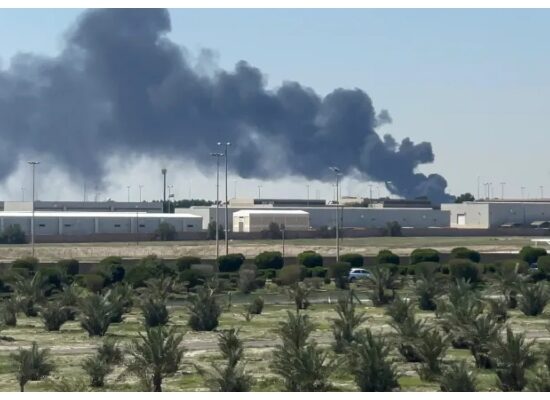
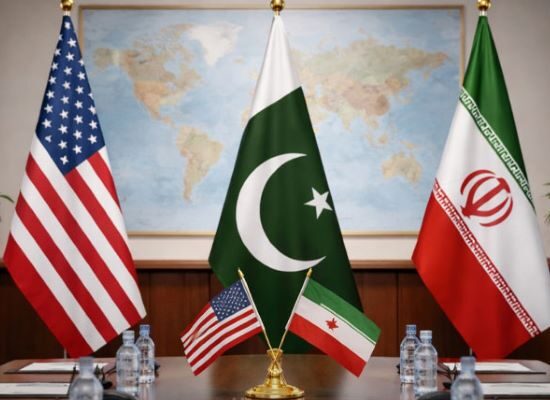
The ongoing Middle East conflict has further complicated the situation. A key shipping route, the Strait of Hormuz, has been disrupted, affecting global oil and gas supplies. This has increased costs for countries like Sri Lanka that rely heavily on imported energy.
Officials warn that prolonged instability could derail Sri Lanka’s fragile economic recovery following its 2022 debt default. While the country secured an IMF bailout, rising energy costs and external shocks remain major risks to long-term stability.