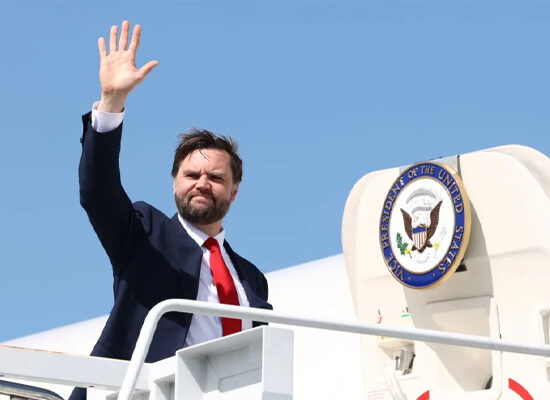

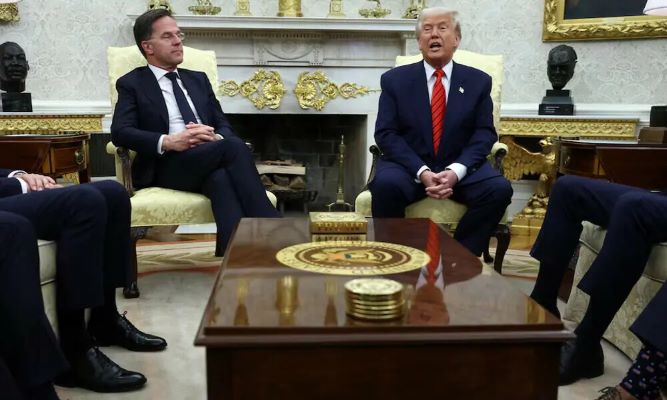
U.S. President Donald Trump met NATO Secretary General Mark Rutte at the White House as tensions over the ongoing Iran conflict strained the transatlantic alliance. The war in Iran has sparked criticism from Trump toward European allies for what he considers inadequate support.
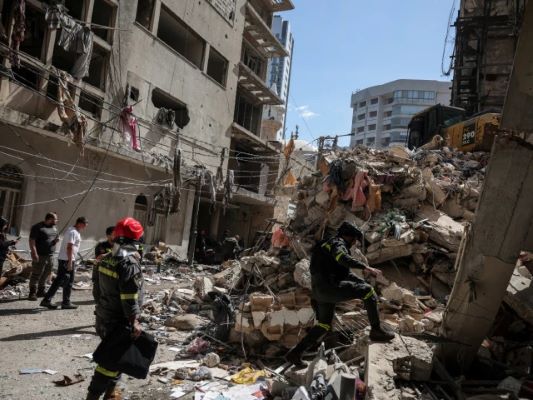
Trump has threatened to withdraw the United States from NATO and repeatedly called the alliance a “paper tiger,” reflecting frustration over European responses to the U.S.-Israeli bombing campaign in Iran. The ceasefire between the two sides is expected to last two weeks.
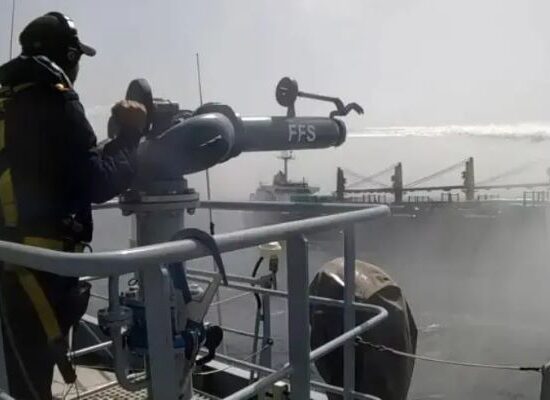
The president urged countries reliant on Gulf oil to help break Iran’s control of the Strait of Hormuz. However, European nations are unlikely to participate in mine-clearing or naval operations as hostilities continue, diplomats report. Iran has warned that it will obstruct the strategic waterway until the conflict ends.
Rutte, often described as a “Trump whisperer,” maintains a cordial relationship with the U.S. leader. During their meeting, he is expected to encourage restoration of maritime trade, highlight European defense spending efforts, and mitigate public criticism of NATO.
The Iran conflict has amplified existing tensions over Ukraine, Greenland, and defense commitments, though senior U.S. officials privately reassure allies of continued NATO support. Analysts warn that the alliance is at a “dangerous point,” with Trump questioning its effectiveness in global crises.
While NATO is primarily a North American and European defensive alliance, Rutte may discuss enhanced defense-industry cooperation and measures to stabilize energy trade in the Gulf. European leaders have not tasked him with committing to operations in the Strait of Hormuz.
Observers note that Trump’s Middle East focus risks diverting U.S. weapons from Ukraine, alarming NATO members. The meeting underscores the delicate balance between maintaining transatlantic unity and addressing immediate regional conflicts in the Middle East.