
Islamabad: Pakistan’s combined circular debt in the electricity and gas sectors has surged to Rs5.1 trillion, up sharply from Rs3.5 trillion last year, lawmakers were informed during a meeting of the National Assembly Standing Committee on Finance.
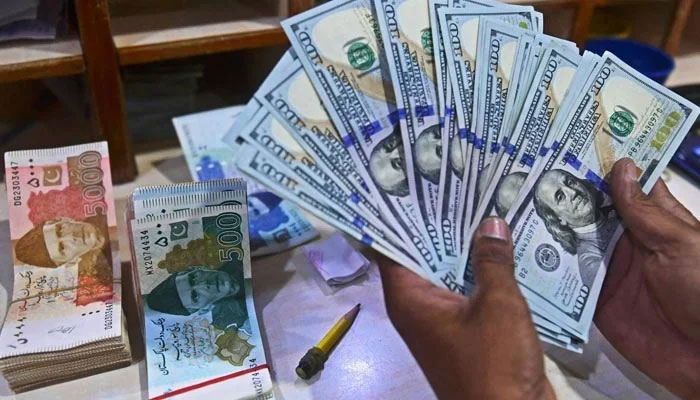
Officials briefing the committee also revealed that Pakistan’s total external debt currently stands at approximately $137.56 billion.
The committee meeting reviewed Pakistan’s economic outlook and fiscal priorities for the upcoming 2026-27 federal budget, focusing on emerging economic risks, the performance of the IMF program, and the need for structural reforms.
During the briefing, committee members were told that despite signs of gradual economic recovery, Pakistan remains on a path of what officials described as “fragile stabilization.”
Economic growth for fiscal year 2026-27 is projected to remain between 3.5 percent and 4.5 percent, while inflation has once again entered double digits.
According to the briefing, annual inflation reached 10.9 percent in April 2026, increasing pressure on households and businesses across the country.
Members of the finance committee expressed serious concerns over the government’s continued reliance on indirect taxation and petroleum levy collections instead of broadening the national tax base.
The committee chairman also voiced concern over the rising burden of circular debt, the slow pace of reforms in state-owned enterprises, and the growing social and economic pressures caused by inflation, unemployment, and poverty.
Economists warn that without deep structural reforms, Pakistan may continue facing fiscal instability despite short-term economic improvements under international financial support programs.