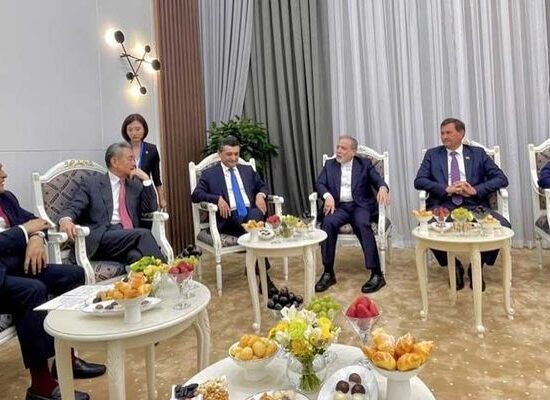

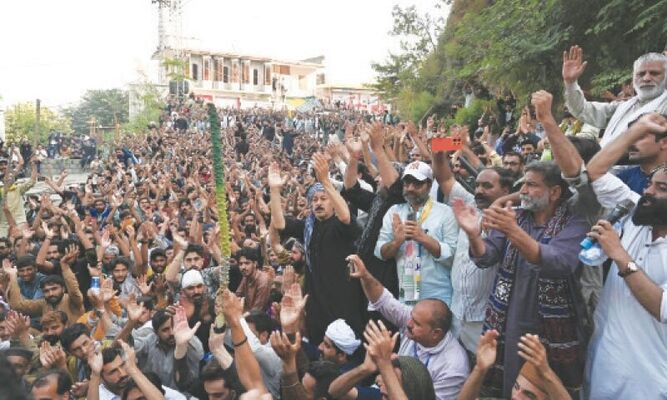
The debate surrounding AJK Dialogue and Reforms has intensified after political leaders emphasized the need for constructive engagement instead of continued protests. A high-level delegation representing major political stakeholders recently met with representatives of the Joint Awami Action Committee (JAAC) to discuss public concerns and potential solutions.
According to officials, the delegation included senior political figures from both federal and regional levels, reflecting a broad political consensus. The engagement was presented as a serious effort to address longstanding concerns raised by citizens across Azad Jammu and Kashmir (AJK).
Government representatives stated that 35 of the 38 demands raised by JAAC had already been accepted. They argued that significant progress had been achieved on public welfare issues, making further escalation difficult to justify. Officials stressed that ongoing dialogue remains the most effective path toward resolving remaining concerns.
The three unresolved issues involve taxation, constitutional arrangements, and political representation. Authorities noted that these matters require legal procedures, policy discussions, and political consensus rather than deadlines or street pressure. They maintained that such issues cannot be settled through protest movements alone.
Financial realities also remain central to the discussion. Officials highlighted that AJK generates approximately PKR 60 billion in annual revenue while operating a budget exceeding PKR 300 billion. Pakistan contributes a substantial amount each year to support development projects, public services, and welfare initiatives throughout the region.
The federal government also pointed to its support for refugees displaced since 1989. Thousands of registered refugees receive financial assistance funded by Pakistan, representing a significant annual commitment. Leaders said constitutional matters, including refugee representation, require broad consultation before any changes can be considered.
Political observers believe the future of AJK Dialogue and Reforms depends on continued negotiations, transparency, and responsible leadership. They argue that sustainable progress can be achieved through democratic institutions and policy reforms rather than prolonged confrontation. The focus now remains on translating discussions into practical outcomes that benefit the people of AJK.