
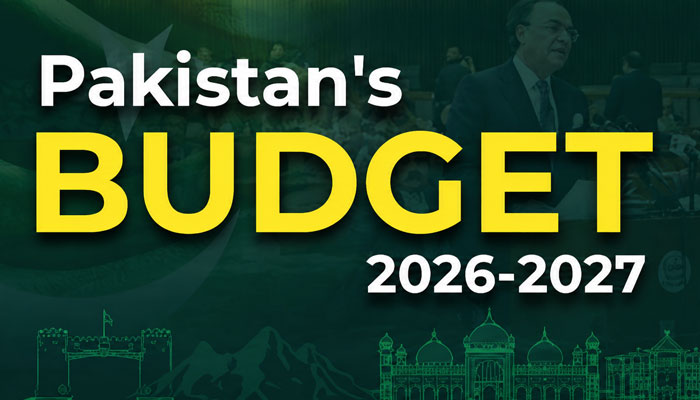
The federal government is awaiting approval from the International Monetary Fund on a series of tax proposals and relief measures included in the upcoming budget, with Budget 2026-27 tax relief expected to provide support for salaried individuals, exporters and the property sector.
According to government proposals, the tax burden on salaried employees could be reduced through revised tax slabs. Authorities have also suggested a two percent reduction in the super tax and the elimination of a one percent advance income tax currently imposed on exporters.
The government is additionally considering major incentives for the property sector as part of broader efforts to stimulate economic activity. Officials believe these measures could encourage investment and support growth in key sectors of the economy.
At the same time, discussions with the IMF continue regarding an increase in the General Sales Tax on solar panels, hybrid vehicles and nearly two dozen other products. The proposed changes would bring these items closer to the standard GST rate of 18 percent.
Pakistan has requested that environmentally friendly technologies receive special consideration. Officials have urged the IMF to allow lower tax rates on electric vehicles to support energy efficiency and climate-related goals under a financing programme focused on sustainability and resilience.
The negotiations come as revenue authorities face mounting challenges in achieving ambitious tax collection targets. After revising the current fiscal year’s tax goal downward, policymakers are now working on plans to significantly increase revenue collection in the next financial year.
The proposed Budget 2026-27 tax relief package remains subject to IMF approval. Market participants, businesses and salaried taxpayers are closely watching the discussions, as the final outcome will determine the scope of relief and taxation measures announced in the federal budget.