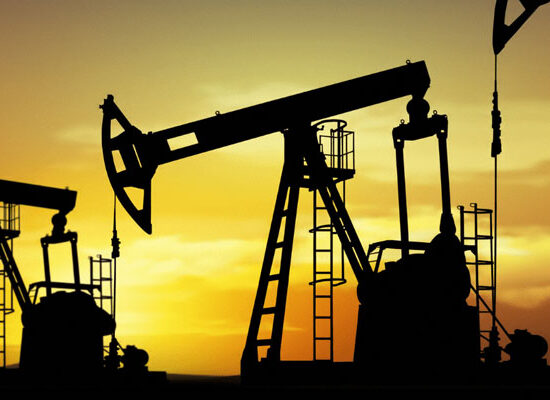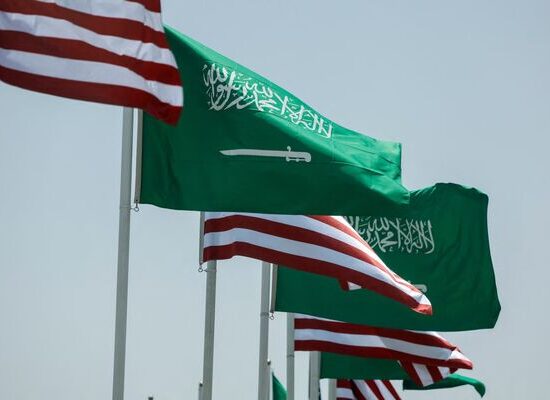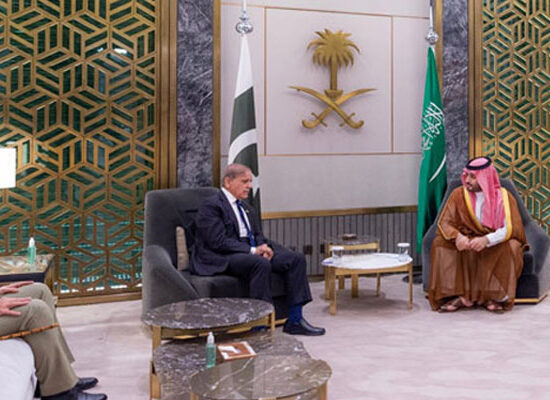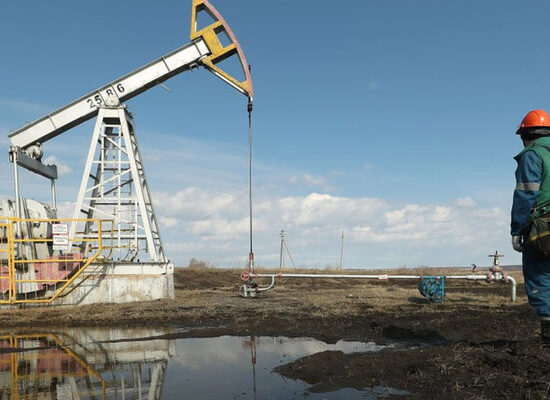

Oil prices climbed to their highest level in more than six weeks during Asian trading on Thursday as escalating security concerns in the Middle East raised fears of disruptions to global energy supplies. Investors closely monitored developments involving shipping routes in the Red Sea and the Strait of Hormuz.
Brent crude futures gained $2.20, or 2.3%, to $96.27 a barrel after closing above $94 in the previous session. US West Texas Intermediate (WTI) crude also advanced $1.65, or 1.9%, to $88.48, extending gains recorded a day earlier as traders reacted to rising geopolitical tensions.
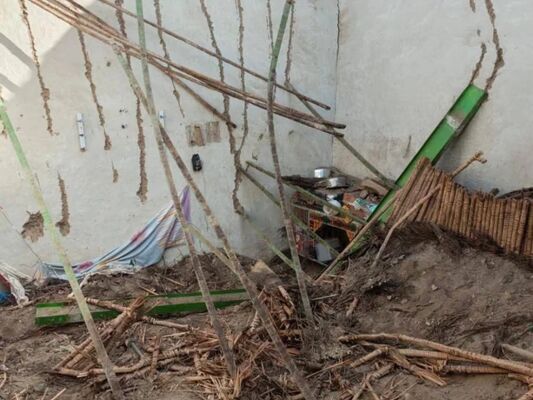
Market sentiment was influenced by reports of renewed military activity involving the United States and Iran, along with attacks claimed by Yemen’s Houthi movement on oil tankers in the Red Sea. Reuters reported that it could not independently verify some of the claims made by the parties involved.
Analysts said concerns have grown because of potential risks to two of the world’s most important energy shipping routes. The Bab el-Mandeb Strait and the Strait of Hormuz are key transit points for global crude exports, making any disruption a major concern for international oil markets.
Priyanka Sachdeva, senior market analyst at Phillip Nova, said geopolitical risk premiums had returned to the market. However, she noted that a sustained rally in oil prices would require clear evidence of prolonged shipping disruptions or significant supply outages.
Energy analysts also warned that any interruption to Red Sea shipping could affect millions of barrels of oil transported daily. Market participants are therefore closely watching regional developments and official responses from governments involved in the conflict.
The latest rise in oil prices reflects growing uncertainty in global energy markets as geopolitical tensions remain elevated. Investors are expected to continue monitoring developments in the Middle East, with future price movements likely to depend on the security situation and the impact on international oil supplies.