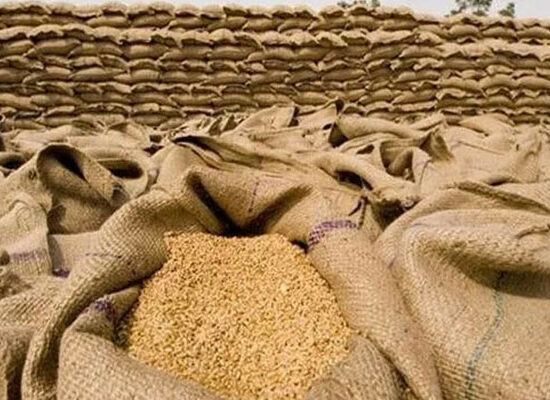

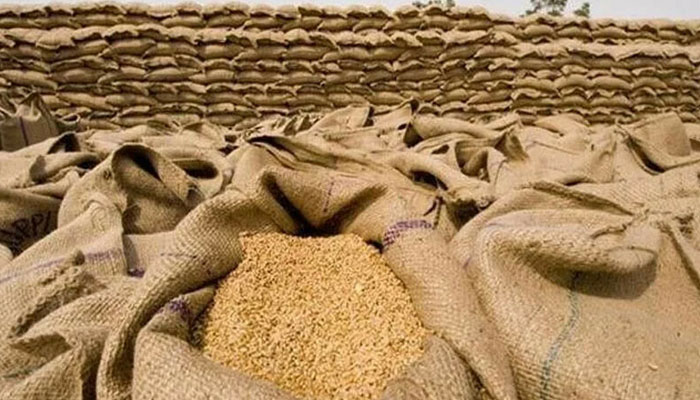
The Pakistan wheat prices situation has become a growing concern as rates in open markets have climbed significantly, with traders reportedly selling wheat at prices as high as Rs4,850 per 40 kilograms. The increase has raised questions over the role of stockpiling and market control by private operators.
According to market sources, the governments of Sindh and Punjab decided to purchase wheat from farmers for the Rabi season at an official rate of Rs3,500 per 40kg. However, private market operators have allegedly pushed open market prices much higher, creating a major gap between official procurement rates and prevailing market prices.
Reports suggest that wheat storage activities by non-stakeholders have contributed to price increases, while provincial food departments have faced criticism over their ability to control illegal hoarding. Concerns have been raised about whether provincial authorities will hold senior food department officials accountable for failing to stabilize the market.
Market data indicates that on July 24, illegally stored wheat was reportedly being sold openly at prices between Rs4,700 and Rs4,850 per 40kg in several major markets, despite government procurement rates remaining significantly lower.
Wheat prices in different regions have also shown noticeable variations. In Karachi, Port Qasim, and Korangi, wheat rates reportedly reached around Rs11,650 to Rs11,700 per 100kg. In Hyderabad and Kotri, prices ranged between Rs11,400 and Rs11,500 per 100kg.
In Rawalpindi and Islamabad, wheat prices reached around Rs4,750 per 40kg, while markets in Taxila, Wah Cantt, Islamabad, and Rawalpindi reportedly recorded rates of up to Rs4,850 per 40kg. Lahore and Gujranwala markets saw prices around Rs4,650 per 40kg, while Rahim Yar Khan recorded rates of nearly Rs4,600 per 40kg.
In Peshawar, wheat prices crossed Rs12,650 per 100kg, adding further pressure on consumers and businesses dependent on wheat supplies. The continued increase in prices has renewed calls for stronger monitoring mechanisms and action against illegal storage practices.