
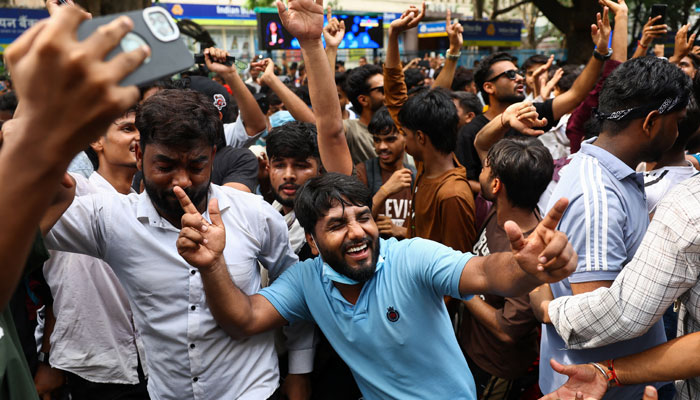
The India student protest led by the Cockroach Janta Party (CJP) officially ended after the group announced that its negotiations with the Indian government had concluded successfully. Party representatives said the government had accepted their major demands, prompting an appeal for demonstrators to peacefully disperse.
The announcement came after talks between CJP representatives and Union Minister J.P. Nadda and Minister of State Jitendra Singh. Speaking at a joint press conference, the party’s spokesperson said all key demands had been accepted and urged protesters across the country to end their demonstrations immediately.
According to the spokesperson, one of the government’s major decisions was the resignation of Education Minister Dharmendra Pradhan. The government also agreed to provide compensation to the families of students who reportedly died by suicide following the alleged NEET examination paper leak.
The India student protest also resulted in an agreement to withdraw cases registered against CJP workers nationwide. In addition, the government accepted the party’s five-point agenda on education reforms, with both sides expected to continue discussions on implementing the proposed measures.
सरकार ने सभी माँगें मान ली है इसलिए हम प्रोटेस्टर्स से रिक्वेस्ट करते हैं कि वह अब immediate इफेक्ट से अब वापस जाए।
: सीजेपी प्रवक्ता pic.twitter.com/nWEGC0Nv4r
— Cockroach Janta Party (@CJP_for_India) July 25, 2026
CJP leaders said the government had assured them that no further action would be taken against the party’s leadership or supporters. Officials are expected to provide written guarantees regarding these commitments by next Tuesday.
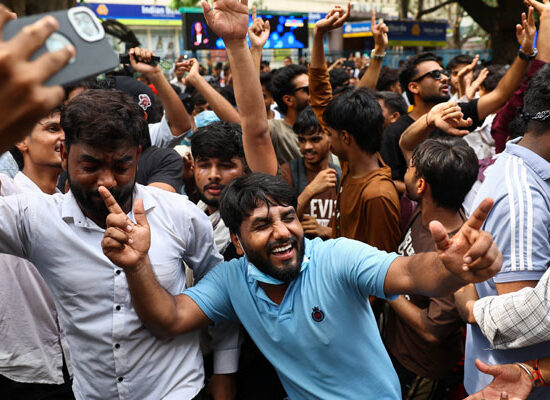
The protest had continued in New Delhi since May 2026 over allegations of examination paper leaks. Large demonstrations were held at Jantar Mantar on July 20, where police used batons and water cannons while detaining dozens of protesters during clashes.
The conclusion of the India student protest marks a significant political development, with attention now shifting toward the implementation of the agreed reforms. Observers say the government’s response could shape future discussions on education policy and examination transparency in India.