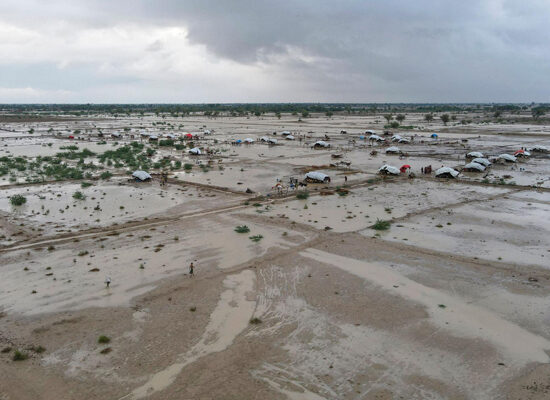


Pakistan’s economic outlook for the next fiscal year remains cautiously positive as the SBP FY26 GDP Growth forecast projects expansion between 3.75% and 4.75%. The State Bank of Pakistan released its Half Year Report FY26, highlighting improving macroeconomic indicators despite global uncertainty, domestic flood risks, and tensions arising from the Middle East conflict.
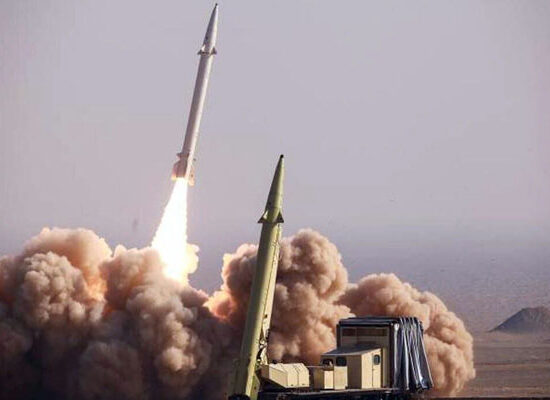
The central bank warned that the ongoing Middle East war could create challenges for Pakistan’s economy through supply chain disruptions, higher commodity prices, and pressure on inflation. According to the report, external trade and remittance inflows may also face temporary disruptions. However, SBP stated that the overall impact on economic activity in FY26 is expected to remain limited.
The report noted that Pakistan’s macroeconomic stability improved significantly during the first half of FY26. Inflation eased, foreign exchange reserves strengthened, and financial inflows supported the economy. The SBP credited these developments to prudent fiscal and monetary policies, structural reforms, and continued support from the International Monetary Fund program.
The SBP FY26 GDP Growth projection is supported by stronger industrial activity and improved performance in the services and agriculture sectors. Real GDP growth during the first half of FY26 reached 3.8%, nearly double the pace recorded in the same period last year. Economic activity also contributed to higher import volumes across several sectors.
At the same time, export earnings declined mainly due to lower rice exports. Despite this pressure, workers’ remittances continued to play a vital role in stabilizing Pakistan’s external account. The central bank said remittances financed a large portion of trade and services deficits, helping maintain the current account deficit within manageable levels.
The report further revealed that National CPI inflation averaged 5.2% during H1-FY26, lower than the previous year. However, rising international oil prices and expensive commodities may push inflation above the medium-term target range of 5% to 7% during most of FY27. The SBP stressed that maintaining a cautious monetary policy remains essential for economic stability.
The central bank also highlighted long-term economic challenges, including low investment, weak exports, and a poor tax-to-GDP ratio. It emphasized the need for deep structural reforms and climate-related investments, as Pakistan remains highly vulnerable to climate change despite contributing minimally to global greenhouse gas emissions. The SBP FY26 GDP Growth outlook therefore depends heavily on reforms, external stability, and sustainable economic planning.