
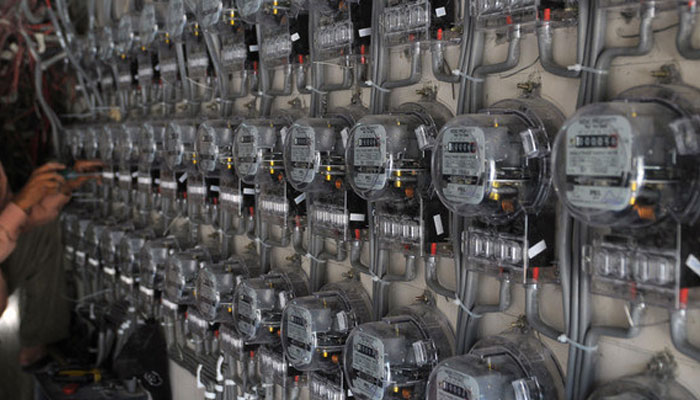
Electricity consumers in Pakistan are reportedly paying up to 9 rupees per unit in additional taxes through their monthly power bills, adding further financial pressure on households and industries across the country.
According to reports, the Federal Board of Revenue (FBR) has increasingly used the energy sector as an additional source of tax collection. As a result, multiple taxes are being imposed on electricity bills under different categories.
Currently, electricity bills include six different types of taxes and charges. These include an 18 percent General Sales Tax (GST), income tax, and advance income tax, alongside several other levies added to consumers’ monthly bills.
The rising tax burden has significantly increased electricity costs for domestic users as well as industrial consumers. Business owners and manufacturers have expressed concerns that higher electricity expenses could negatively affect production costs and economic activity.
Energy experts believe that excessive taxation on electricity is contributing to inflation and increasing the financial burden on middle-class families. Many consumers are already struggling with high utility bills amid rising living expenses.
Industrial representatives have also warned that continuous increases in power-related taxes may reduce the competitiveness of Pakistani industries in international markets. Higher production costs could impact exports and business growth.
Consumers and economic analysts are now urging the government to review the taxation structure on electricity bills and provide relief to the public. They argue that reducing unnecessary taxes could help lower inflation and support economic stability in the country.