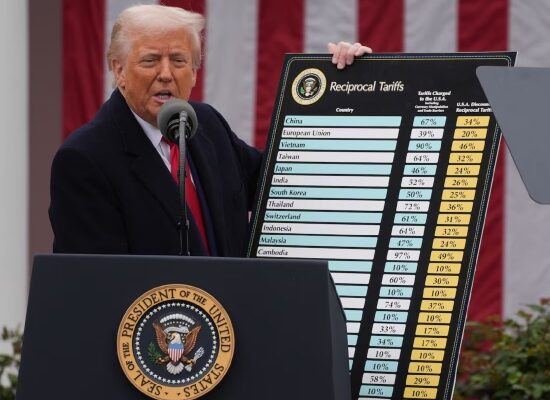


Global oil prices have recorded a notable increase in international markets, driven by escalating geopolitical tensions and supply concerns. Analysts point to multiple factors, including renewed warnings from former US President Donald Trump and instability in the Middle East, as key contributors to the upward trend.
One of the most critical developments influencing global oil prices is the growing uncertainty surrounding the Strait of Hormuz. This strategic route handles a significant portion of the world’s oil supply, and any disruption could severely impact global energy markets. Reports suggesting potential blockages have heightened investor anxiety.
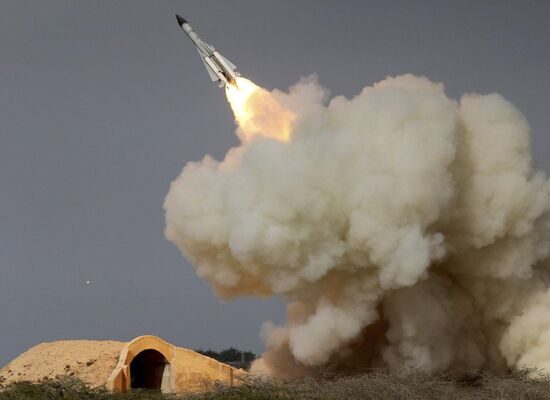
In addition, tensions involving Iran have added further pressure on oil markets. The possibility of conflict in the region has raised fears of supply shortages, prompting traders to react swiftly. As a result, global oil prices continue to reflect this heightened risk environment.
According to the latest data, Brent crude oil prices have increased by 2.2 percent, reaching $111.43 per barrel. Meanwhile, West Texas Intermediate (WTI) crude has risen by 2.7 percent to $114.57 per barrel, marking a sharp upward movement in a short period.
Experts suggest that if geopolitical tensions persist, global oil prices may remain volatile in the coming weeks. Market participants are closely monitoring developments in the Middle East, as any escalation could further disrupt supply chains and push prices even higher.