
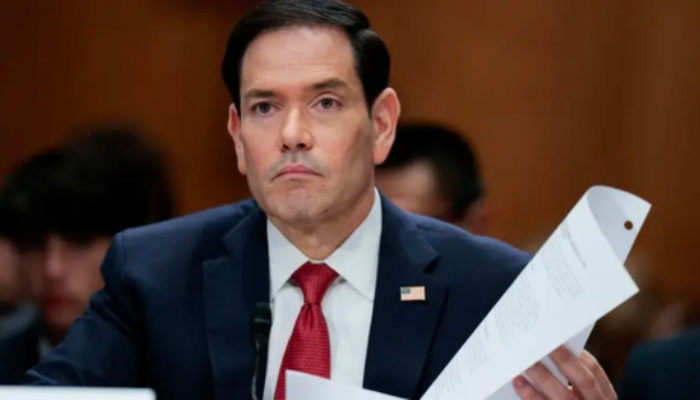
WASHINGTON: U.S. Secretary of State Marco Rubio has claimed that the United States played an important role in easing tensions between India and Pakistan, echoing previous statements made by President Donald Trump regarding Washington’s involvement in preventing further escalation between the two nuclear-armed neighbors.
Speaking before the Senate Foreign Relations Committee, Rubio highlighted several recent diplomatic achievements of the United States. He stated that Washington continues to engage actively in international diplomacy and has contributed to resolving a number of regional disputes through dialogue and negotiation.
During his testimony, Rubio pointed to the peace agreement between Azerbaijan and Armenia as one of the notable successes of U.S. diplomatic efforts. According to the secretary of state, American engagement helped support discussions that eventually led to progress between the two neighboring countries.
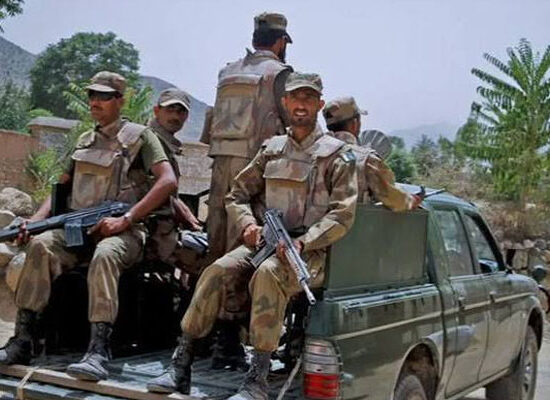
Rubio also referred to the tensions between India and Pakistan, saying the United States played a constructive role in helping bring the situation under control. He noted that diplomatic outreach, communication channels, and mediation efforts contributed to reducing the risk of further conflict.
His remarks come after President Donald Trump repeatedly stated that his administration had helped prevent a wider confrontation between India and Pakistan. Trump has on several occasions credited diplomatic intervention and direct engagement with both sides for easing tensions in the region.
The secretary of state’s comments are likely to draw attention in South Asia, where discussions about the role of foreign mediation in regional disputes remain sensitive. Both India and Pakistan have historically maintained differing positions regarding third-party involvement in bilateral issues.
Rubio concluded by emphasizing that the United States remains committed to diplomatic engagement around the world. He said Washington continues to work with international partners to promote stability, reduce conflicts, and encourage peaceful solutions to global challenges.