
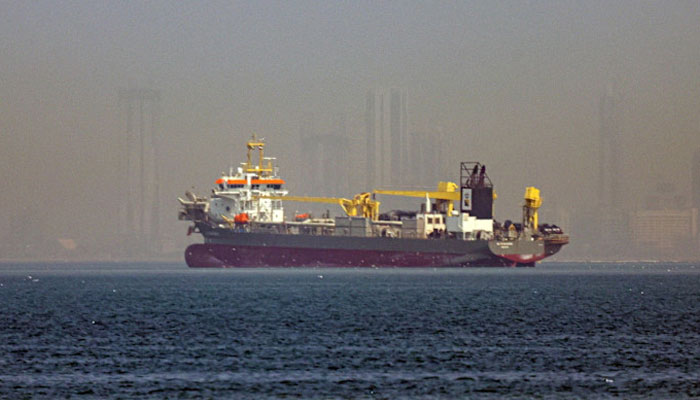
The Strait of Hormuz blockade tensions escalated after reports that former US President Donald Trump announced a potential move to block the strategic waterway, prompting strong opposition from China and other global players.
China openly rejected the move, stressing that the Strait of Hormuz is a critical global energy route that must remain open, stable, and free for international shipping.
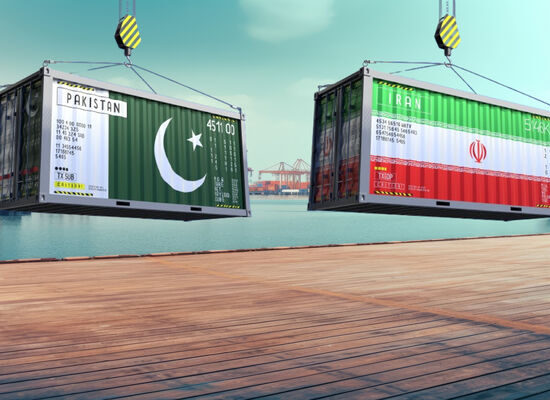
The Strait of Hormuz blockade tensions further intensified as Chinese Defence Minister Admiral Dong Jun warned that Beijing has binding trade and energy agreements with Iran and will fully respect them.
He emphasized that external interference in regional affairs is unacceptable, adding that Chinese vessels continue to pass safely through the Strait despite rising geopolitical pressure.
China’s Foreign Ministry also stated that maintaining free and secure maritime passage is in the shared interest of the international community and urged all sides to avoid escalation.
The Strait of Hormuz blockade tensions come amid broader regional uncertainty, including Iran-US negotiations and concerns over potential disruptions to global oil supplies.
Several other countries, including the United Kingdom, Australia, Turkey, and Japan, have also expressed opposition to any blockade and urged diplomatic solutions to prevent further instability.