
The Iran uranium enrichment moratorium has become a key point of international debate after comments from the head of the International Atomic Energy Agency. The issue remains unresolved as US and Iranian talks continue to face major disagreements.
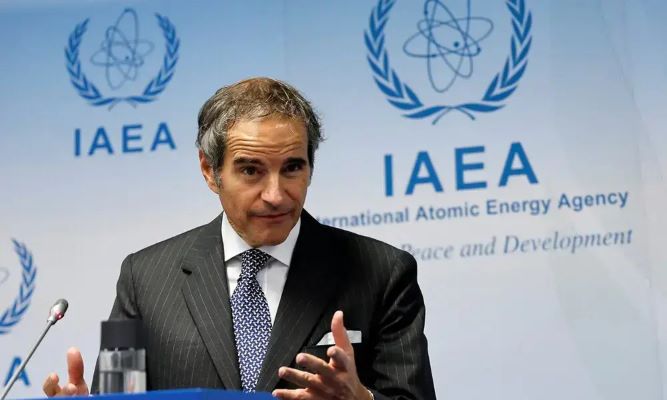
The Iran uranium enrichment moratorium refers to a possible temporary suspension of uranium enrichment activities in Iran. According to IAEA Director General International Atomic Energy Agency chief Rafael Grossi, the length of such a suspension is not a technical issue but a political decision.
Speaking in Seoul, Grossi emphasized that nuclear oversight bodies can assess compliance, but the duration of any enrichment freeze must be decided through diplomatic negotiation. His remarks highlighted the complexity surrounding the Iran uranium enrichment moratorium discussions.
The Iran uranium enrichment moratorium is one of the central sticking points in stalled negotiations between the United States and Iran. Recent talks reportedly ended without agreement on how long Tehran should pause its nuclear enrichment activities.
US officials have argued for a longer suspension period, while Iran has pushed for a shorter timeframe. These differences have slowed progress, despite ongoing diplomatic engagement and regional mediation efforts involving multiple stakeholders.
IAEA chief Grossi reiterated that verification and monitoring are possible, but political leaders must decide the framework. His statement underlined that the Iran uranium enrichment moratorium is ultimately tied to broader geopolitical negotiations.
The issue continues to influence global security concerns, with nuclear transparency, sanctions relief, and regional stability all connected to the outcome of the Iran uranium enrichment moratorium discussions.