

The United Nations has warned that rising geopolitical tensions in the Middle East are weakening the Asia Pacific economic outlook UN report, as inflationary pressures and energy disruptions continue to affect global markets.
According to the UN Economic and Social Commission for Asia and the Pacific, developing economies in the region are expected to slow to 4.6% growth in 2025 and further decline to 4% in 2026. The Asia Pacific economic outlook UN report highlights worsening external conditions as a key factor.
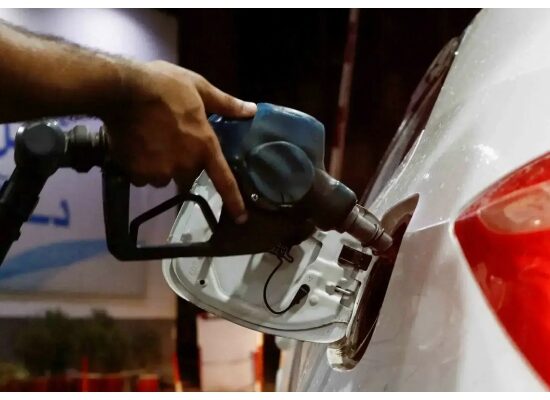
The report notes that surging energy and food prices, combined with weakening global demand, are increasing the cost of living across the region. These trends are central to the concerns raised in the Asia Pacific economic outlook UN report.
It also warns that Middle East tensions are disrupting trade routes and commodity flows, creating uncertainty for export-dependent economies. This disruption is a major contributor to the revised Asia Pacific economic outlook UN report projections.
The UN said low-income households and low-skilled workers are most vulnerable, as rising prices and limited social protection deepen inequality. These social risks are emphasized in the Asia Pacific economic outlook UN report.
The report further cautions that high public debt and rising interest rates may limit government responses to future shocks. This fiscal pressure is a key concern in the Asia Pacific economic outlook UN report analysis.
UN officials have urged countries to shift toward stronger domestic demand, renewable energy investment, and regional cooperation to reduce dependency on volatile global markets, as outlined in the Asia Pacific economic outlook UN report.