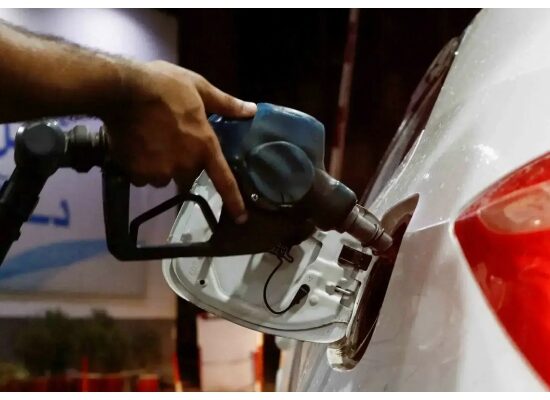

IMF fuel subsidy Pakistan policy has come under focus as the International Monetary Fund has urged the government to avoid providing subsidies on petroleum products. The recommendation comes during ongoing discussions for the federal budget 2026–27.
Sources indicate that virtual consultations between Pakistan and the IMF are currently underway. These talks aim to finalize key fiscal targets, with IMF fuel subsidy Pakistan reforms being a central point of discussion.
The IMF emphasized that timely adjustments in energy and fuel prices are essential to reduce financial pressure. It also stressed the need to implement recommendations made by regulatory authorities regarding electricity tariffs without delay.
Another major suggestion includes limiting tax exemptions and concessions in the upcoming budget. According to officials, reducing these relaxations is crucial for improving revenue generation under the IMF fuel subsidy Pakistan framework.
The IMF has also proposed expanding the tax base and cutting down on sales tax exemptions. Additionally, it has recommended further reductions in government expenditures to ensure fiscal discipline.
Officials revealed that the IMF wants Pakistan to increase its tax-to-GDP ratio by at least one percent. This step is seen as vital for strengthening the country’s economic stability and reducing reliance on external borrowing.
Negotiations between Pakistan and the IMF are expected to set key economic targets for the upcoming fiscal year. With global conditions improving and reforms underway, Pakistan’s medium-term growth rate could reach 5.5%, provided IMF fuel subsidy Pakistan measures are effectively implemented.