
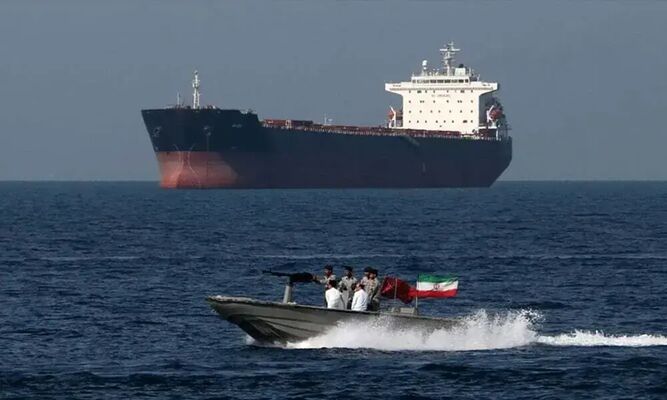
The issue of Strait of Hormuz transit fees has moved into the spotlight after Iran indicated that vessels using the strategic waterway could face new charges under a future regulatory framework developed jointly with Oman. The announcement comes as regional tensions continue to affect global energy markets.
Iran’s ambassador to Russia, Kazem Jalali, said the Strait of Hormuz would remain open but would operate under new conditions determined by Iranian and Omani authorities. According to his remarks, ships passing through the route could be required to pay fees for services provided by the two countries.
The Strait of Hormuz is one of the world’s most important maritime corridors, linking the Persian Gulf to international markets. Before the recent conflict in the region, approximately one-fifth of global oil shipments moved through the waterway, making any policy changes highly significant for international trade.
The proposed Strait of Hormuz transit fees emerge at a time when oil and liquefied natural gas flows remain below normal levels. Although some tankers have resumed movement through the area, shipping activity continues to face operational challenges due to regional instability.
Iran has argued that any long-term peace arrangement should recognise its right to charge vessels using the route. Officials have suggested that fees could vary depending on the type of ship, its cargo and prevailing maritime conditions.
The proposal has drawn opposition from the United States. Washington has previously warned against any attempt to impose tolls on international shipping through the strait, while American officials have engaged with regional partners regarding the issue.
As discussions continue, the future of Strait of Hormuz transit fees is likely to remain a key concern for governments, shipping companies and energy markets worldwide. Any change in access conditions to the strategic waterway could have significant implications for global trade and energy security.