
Iran Support for Hezbollah has emerged as a major obstacle to efforts aimed at securing a broader peace agreement in the Middle East. Iranian officials have reiterated their backing for the Lebanese group and insisted that any settlement of the regional conflict must include an end to hostilities in Lebanon and the withdrawal of Israeli forces from occupied areas.
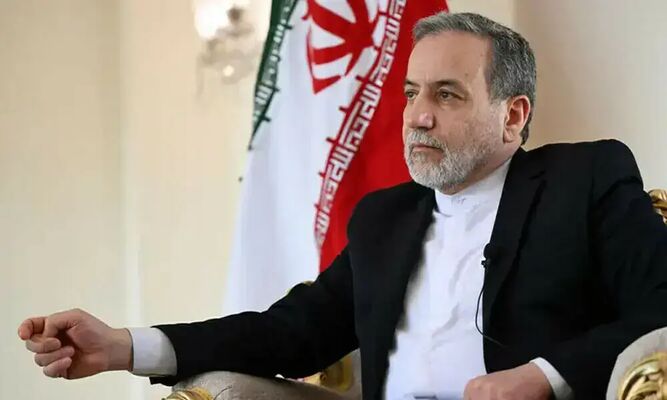
Speaking to a Lebanese television channel, Iranian Foreign Minister Abbas Araqchi stated that the war would not truly end unless fighting in Lebanon also comes to a close. He stressed that Israeli troops must leave territories captured in southern Lebanon as part of any lasting arrangement.
The latest tensions stem from the escalation that began in early March after U.S. and Israeli strikes on Iran. In response, Hezbollah intensified its military activities, saying its actions were intended to support Tehran during the conflict. Since then, clashes along the Israel-Lebanon border have remained a key flashpoint.
Iran Support for Hezbollah was reinforced by senior Iranian officials who described the group as a strategic ally. Mohsen Rezaei, an adviser to Iran’s supreme leader, praised Hezbollah’s sacrifices during the conflict and said Tehran remained committed to supporting its long-time partner.
The situation became more complicated after Hezbollah leader Naim Qassem rejected a U.S.-brokered arrangement between Israel and the Lebanese government. The proposed agreement reportedly did not guarantee an Israeli withdrawal, a condition that Hezbollah considers essential for ending the fighting.
Meanwhile, U.S. President Donald Trump expressed optimism about prospects for peace in Lebanon, saying progress was being made. However, sporadic violence has continued across several parts of the region, including Lebanon, Gaza, northern Israel, and areas around the Gulf, despite ceasefire efforts.
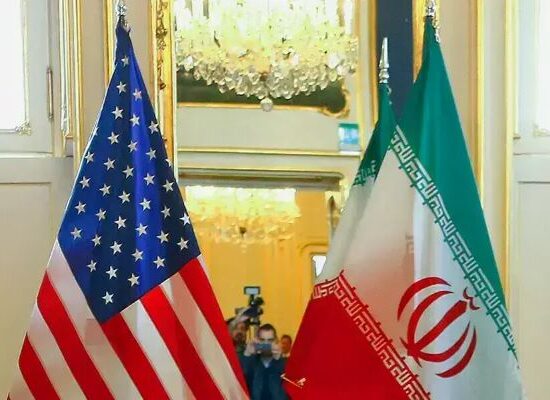
Analysts believe that Iran Support for Hezbollah could significantly influence future negotiations between Tehran and Washington. While both sides continue indirect talks aimed at reducing regional tensions, unresolved issues involving Lebanon, maritime security, sanctions, and Iran’s nuclear program remain major challenges to achieving a comprehensive agreement.