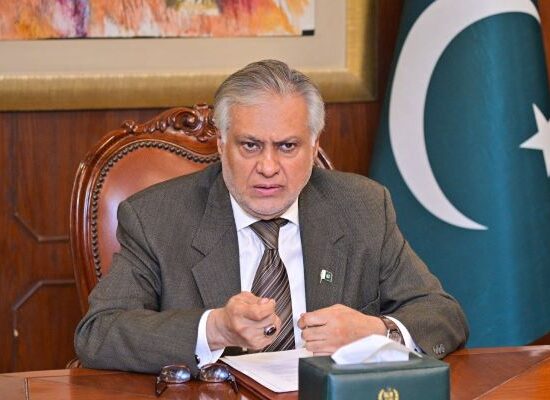

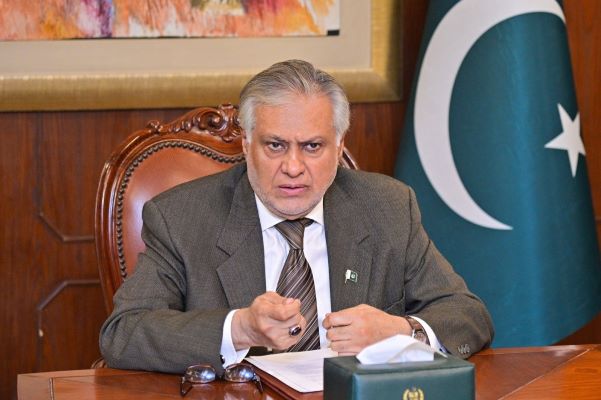
Deputy Prime Minister and Foreign Minister Ishaq Dar has stressed the importance of multilateralism, saying bloc politics and unilateral decisions cannot address global challenges. He said Pakistan supports an independent foreign policy based on cooperation, dialogue and peaceful dispute resolution.
In an interview with Euronews, Ishaq Dar said Pakistan’s foreign policy was clear and independent. He emphasised that countries needed to make greater efforts to strengthen multilateral cooperation despite the current international environment. He also recalled Pakistan’s three-day presidency of a United Nations Security Council meeting, which focused on multilateralism and peaceful dispute settlement.
Discussing the conflict between the United States and Iran, Dar said diplomacy and dialogue remained the only way forward. He highlighted Pakistan’s mediation efforts and recalled that Islamabad had condemned Israel’s February 28 attack on Iran. He also said he had contacted his Iranian counterpart the following day and urged restraint.
The foreign minister clarified that Pakistan’s message was not to target other Middle Eastern or Gulf countries. He expressed regret over subsequent attacks in the region and said Iranian officials had informed Islamabad that their targets were American military bases. Dar also welcomed direct US-Iran talks hosted by Pakistan after 47 years.
He praised the June 18 signing of the Islamabad Memorandum of Understanding between Washington and Tehran but regretted subsequent violations. Dar said Pakistan continued encouraging both sides to honour their commitments. He also called for unrestricted movement of vessels through international sea routes, warning that disruptions to energy supplies and rising prices affected people worldwide.
On Afghanistan, Dar said Pakistan wanted its neighbouring country to become stable and prosperous. However, he alleged that credible evidence shared with international institutions linked Afghanistan to recent terrorist attacks. He also discussed Pakistan’s concerns over relations with India and the Indus Waters Treaty, saying international agreements must be respected and water should not be used as a political weapon.
Addressing Pakistan’s economic potential, Dar said the country’s external debt stood at $130 billion, while its mineral and rare earth resources could be worth between $6 trillion and $10 trillion. He also discussed the country’s GSP+ status, saying Pakistan would comply with 32 required conventions under the proposed new arrangement, scheduled to begin on January 1, 2029.