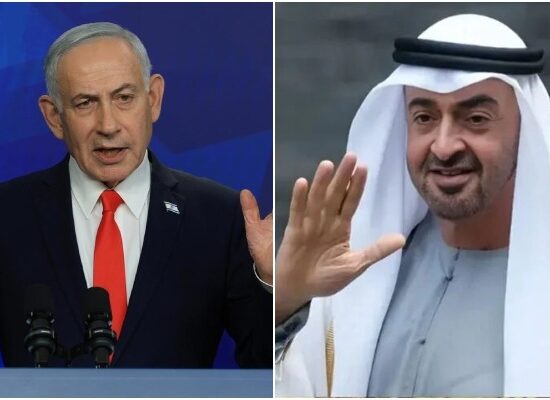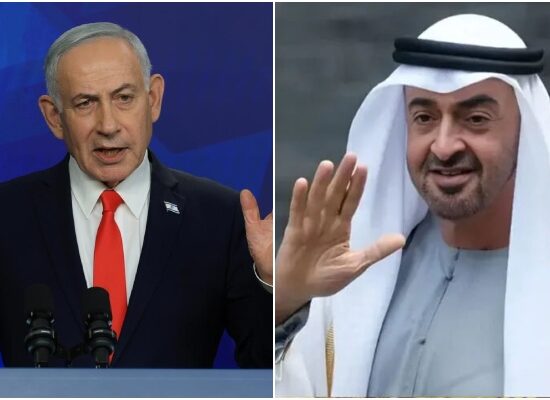

The latest Israel-Iran tensions escalated on Monday after Israel confirmed strikes on an Iranian petrochemical facility and other military targets. The attacks came despite reports that U.S. President Donald Trump had urged Israeli Prime Minister Benjamin Netanyahu to avoid further military action while diplomatic efforts continued.
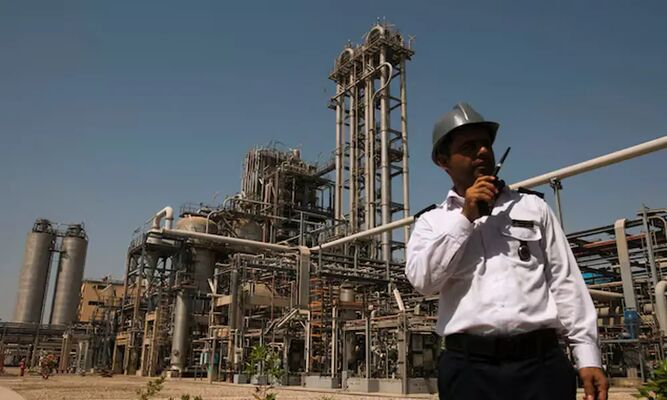
Israeli officials said military operations targeted facilities within the Mahshahr petrochemical complex in southwestern Iran. Iranian media reported damage to parts of the site, marking the first known strike on an Iranian energy facility since the ceasefire reached on April 8.
The renewed exchange of hostilities followed missile launches from Iran toward Israel. Israeli air defence systems were activated to intercept incoming threats, while Iranian officials said Israeli forces used air-launched ballistic missiles during the attacks.
The worsening Israel-Iran tensions also expanded beyond the two countries. Yemen’s Houthi movement claimed responsibility for a missile attack on Israel and warned that vessels linked to Israel could face renewed threats in the Red Sea, raising concerns about regional shipping and maritime security.
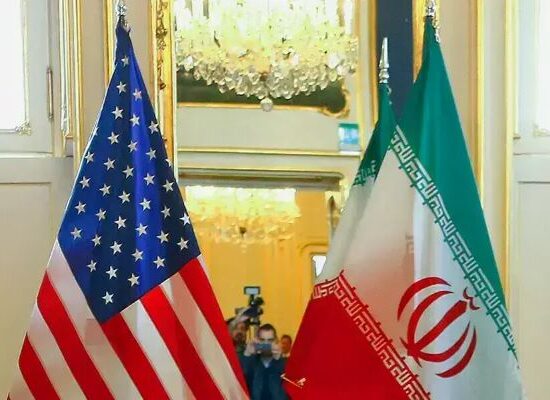
Meanwhile, President Trump maintained that ongoing military exchanges would not derail negotiations aimed at reaching a broader agreement with Tehran. Reports suggested he personally urged Netanyahu to avoid further escalation, arguing that diplomatic progress remained possible.
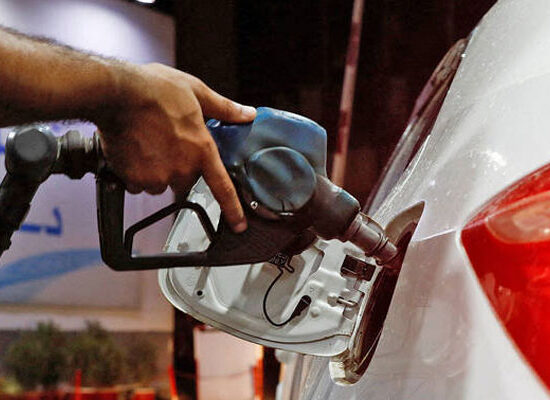
The latest developments have increased uncertainty across global energy markets. Oil prices rose sharply following reports of the strikes, reflecting investor concerns about potential disruptions to energy supplies and key shipping routes in the region.
As Israel-Iran tensions continue to challenge diplomatic efforts, international observers remain focused on whether negotiations can prevent a wider conflict. With military activity expanding and regional actors becoming increasingly involved, the coming days may prove critical for stability across the Middle East.