
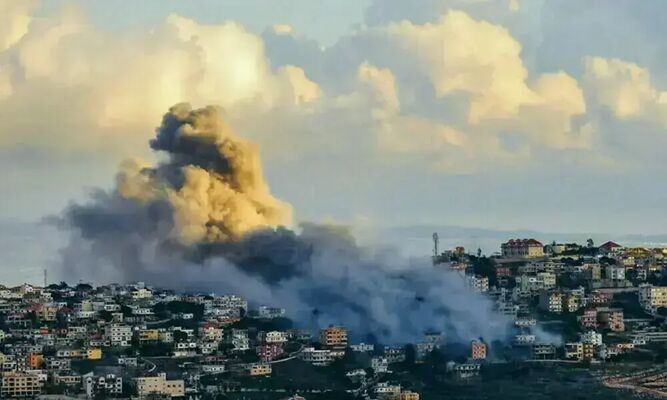
The proposed Lebanon Ceasefire encountered a major obstacle on Thursday after Hezbollah rejected a U.S.-backed plan aimed at ending months of conflict. The development has raised fresh concerns about regional stability and the future of diplomatic efforts involving Iran, Israel, and the United States.
Lebanese officials had expressed hope that a ceasefire agreement could take effect quickly if all parties approved the proposal. The plan was viewed as a potential step toward reducing violence in southern Lebanon and creating conditions for broader regional negotiations.
However, Hezbollah leadership dismissed the initiative, stating that resistance operations would continue. The group argued that any agreement must address key security and political concerns before military activities can be halted. The rejection immediately cast doubt on the success of the Lebanon Ceasefire proposal.
At the same time, Israeli authorities signaled that military operations in Lebanon would continue. Officials indicated that Israeli forces would not withdraw from contested areas, further complicating efforts to secure a lasting truce between the opposing sides.
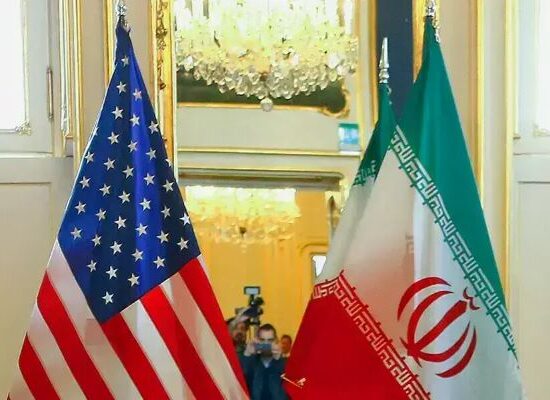
Iran has linked progress in its discussions with Washington to developments in Lebanon. Tehran has repeatedly emphasized that a Lebanon Ceasefire is an important condition for broader diplomatic engagement and has called for an end to Israeli military actions in the country.
The situation remains sensitive across the Middle East, where recent military exchanges have increased tensions. Analysts believe that continued fighting in Lebanon could affect wider negotiations involving regional security, energy routes, and international diplomacy.
Despite the setback, diplomatic channels remain open. International mediators are expected to continue discussions in an effort to revive the Lebanon Ceasefire initiative. Observers say the coming days will be critical in determining whether negotiations can reduce tensions and prevent further escalation.