
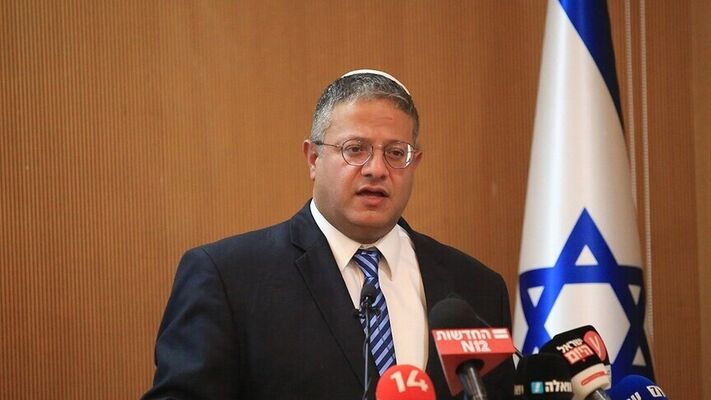
Israeli National Security Minister Itamar Ben-Gvir has rejected any potential Lebanon ceasefire, stating that Israel should not agree to halt military operations in the region. His remarks come amid growing political debate inside Israel over ongoing negotiations involving the United States, Iran, and regional actors.
In a public interview, Ben-Gvir said that Lebanon “should be Israel’s playground,” reinforcing his opposition to any diplomatic agreement that would end the conflict. He urged Israeli Prime Minister Benjamin Netanyahu to clearly communicate to US President Donald Trump that Israel does not support a ceasefire under current conditions.
The comments have intensified discussions surrounding the future of the Lebanon ceasefire, especially as US-mediated negotiations continue between Israel and Lebanon in Washington. These talks are part of a broader diplomatic effort aimed at reducing regional tensions and shaping a possible post-conflict framework.
Ben-Gvir also expressed support for maintaining military operations, arguing that continued action has produced positive outcomes for Israeli forces. His position reflects a broader hardline stance within segments of Israel’s political leadership that oppose immediate de-escalation.
Meanwhile, opposition leader Avigdor Lieberman strongly criticized a recent US-Iran agreement, calling it the “biggest political disaster” since Israel’s establishment. He warned that such deals could strengthen Iran and its regional allies, including Hezbollah, further complicating prospects for a Lebanon ceasefire.
Reports indicate growing disagreement within Israeli political and security circles over Washington’s diplomatic approach. Some officials argue that the US may be underestimating Iran’s regional influence, while others caution against rejecting diplomatic solutions outright.
As international negotiations continue, the future of the Lebanon ceasefire remains uncertain, with competing political narratives shaping the debate in Israel and beyond. The situation underscores deep divisions over how to balance military objectives with diplomatic efforts in the region.