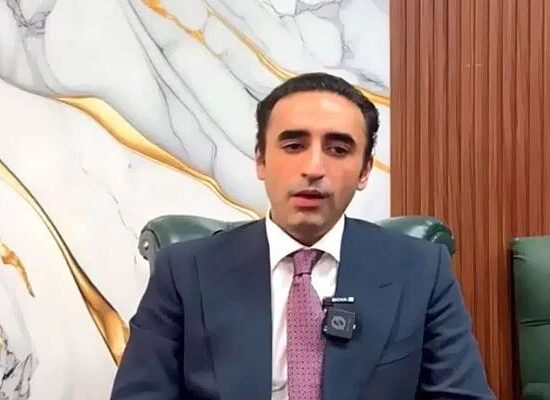

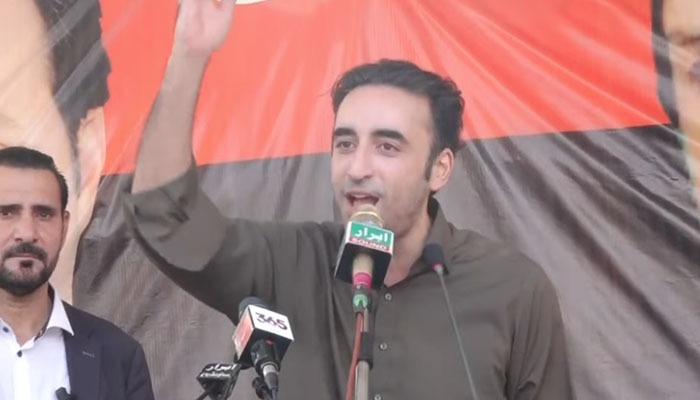
Pakistan Peoples Party (PPP) Chairman Bilawal Bhutto Zardari has said the system has not failed on its own but has been deliberately made dysfunctional, arguing that governance cannot work until the people’s sovereignty is accepted. Addressing a public gathering in Bagh, Azad Kashmir, he said the people must be recognised as the ultimate source of power.
Bilawal said the PPP would support the creation of new provinces if it reflected the people’s decision. However, he made it clear that his party would not back the proposal if it was imposed without public support. He stressed that major political decisions should be based on the will of the people.
The PPP chairman also claimed that the government in Islamabad was facing a serious political challenge and said its “countdown” had already begun. According to Bilawal Bhutto, the countdown was not initiated by the PPP but by people within the government’s own ranks.
Bilawal further criticised what he described as divisions within the Pakistan Muslim League-Nawaz (PML-N). He alleged that some people around the prime minister were seeking to create confrontation with both the opposition and coalition partners. He described the dispute as an internal political issue involving Islamabad and Lahore.
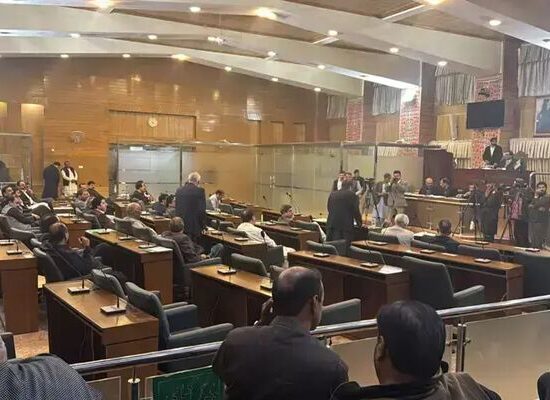
Speaking about Azad Kashmir, Bilawal condemned attacks on PPP candidates and the region’s president, saying his party would not accept what he called a rigged and violent election. He also criticised the PML-N’s reported expectation of forming a government in Muzaffarabad and called for transparent elections and a truth commission.
He said Azad Kashmir was facing an exceptionally difficult period, pointing to prolonged internet and road closures and their impact on businesses and daily life. Bilawal Bhutto said all problems could be resolved through dialogue and urged protesters and those taking action to halt their activities until a truth and reconciliation commission is established.
Bilawal also questioned the decision to hold elections in six phases, saying Kashmir is one region and its election should have been held on a single day. He argued that such a process had no precedent in Kashmir’s history, while reiterating that political stability requires public consent, transparent elections and meaningful dialogue.