

The Strait of Hormuz crisis has escalated after Iran tightened its control over the strategic waterway following renewed tensions with the United States. The situation has raised fresh concerns over global energy security and maritime trade routes.
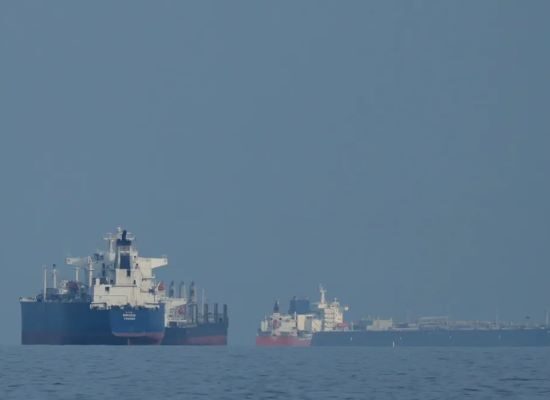
Iranian forces reportedly seized two vessels in the Strait of Hormuz, accusing them of operating without proper authorization. The move comes amid heightened geopolitical friction and uncertainty surrounding a fragile ceasefire in the region.
The Strait of Hormuz crisis intensified after the United States announced a pause in planned military actions. Despite the announcement, Iranian officials did not confirm any extension of the ceasefire, leading to confusion over the current status of peace efforts.
The Strait of Hormuz is one of the world’s most important oil transit routes, carrying nearly a fifth of global crude shipments. Any disruption in this corridor has immediate effects on international oil prices and supply chains.
According to reports, maritime tensions increased as Iranian naval units intercepted vessels and redirected them toward Iranian waters. Some ships were also allegedly targeted after being accused of violating navigation rules.
Meanwhile, the United States has maintained a naval blockade in the region, which Iran has described as an act of aggression. Washington, however, claims its actions are aimed at ensuring maritime security during ongoing conflict conditions.
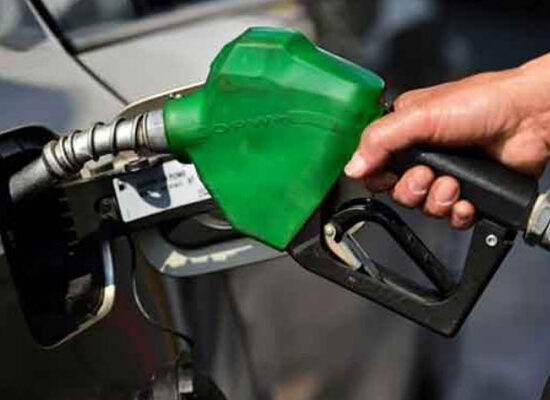
Analysts warn that the Strait of Hormuz crisis could further destabilize global energy markets, especially as crude oil prices remain elevated above $100 per barrel amid supply uncertainty.