
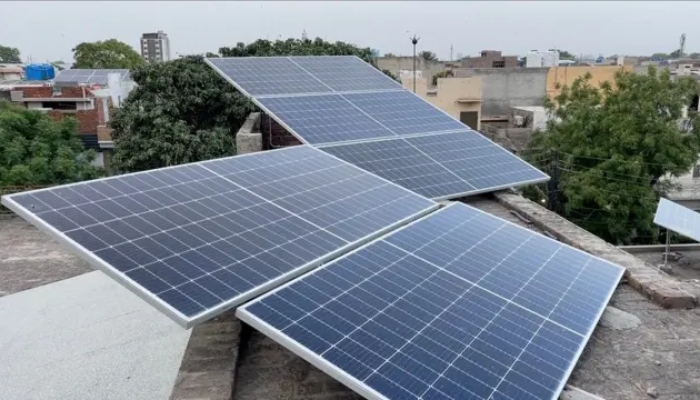
A significant development has emerged ahead of Pakistan’s Federal Budget 2026-27, as the International Monetary Fund (IMF) has reportedly agreed to withdraw a proposed increase in taxes on solar panel products. The move is being viewed as a positive step for consumers and the country’s growing renewable energy sector.
According to informed sources, the decision followed discussions between the Pakistani government and IMF officials during budget consultations. The government had argued that higher taxes on solar-related products could increase costs for consumers and slow the adoption of clean energy solutions.
Sources indicate that Prime Minister Shehbaz Sharif played an important role in efforts aimed at convincing the IMF to reconsider the proposed tax measures. As a result, the international lender is said to have shown flexibility regarding taxation on solar panels and certain stationery products.
The reported agreement is being described as a major achievement for the government as it seeks to balance fiscal reforms with public welfare considerations. Maintaining affordable access to solar technology has become increasingly important as more households and businesses turn to alternative energy sources.
Pakistan has witnessed a growing demand for solar energy systems in recent years due to rising electricity costs and concerns about energy reliability. Industry stakeholders have repeatedly emphasized that additional taxes could negatively impact investment and consumer interest in renewable energy solutions.
Meanwhile, discussions between the government and the IMF are continuing on several other budget-related matters. One of the key areas under negotiation involves proposed tax incentives and relief measures for Pakistan’s real estate sector.