
Pakistan is actively reviewing multiple financing strategies as it prepares to manage external repayment obligations, with the government confirming that Pakistan funding options remain open across several international markets and instruments.
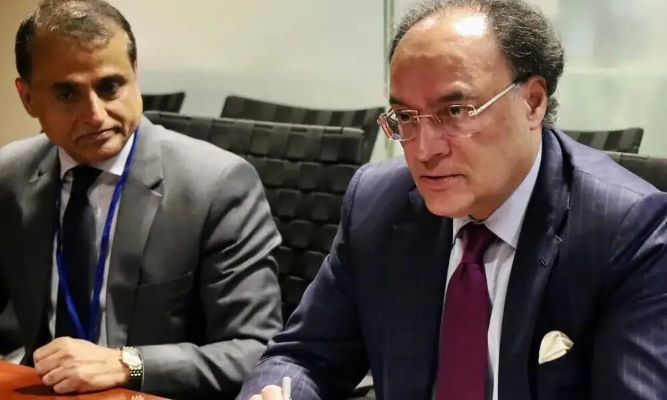
According to Finance Minister Muhammad Aurangzeb, the country is considering Eurobonds, commercial borrowing, and bilateral loans to replace a $3.5 billion facility from the United Arab Emirates. He emphasized that Pakistan funding options are being assessed carefully to maintain macroeconomic stability.
The minister noted that Pakistan will return the UAE loan this month, a move that may temporarily pressure foreign exchange reserves. Despite this, officials maintain confidence that Pakistan funding options will help stabilize external accounts without disrupting financial commitments.
Authorities are also exploring new instruments such as Islamic sukuk and yuan-denominated Panda bonds. These diversified approaches form part of broader Pakistan funding options aimed at strengthening long-term financial resilience.
Pakistan’s reserves currently cover roughly 2.8 months of imports, according to official estimates. The government has reiterated that maintaining this level is critical, and therefore Pakistan funding options are being aligned with International Monetary Fund programme targets.
In addition to financing strategies, officials are also considering a strategic petroleum reserve and faster renewable energy adoption in response to global supply shocks. These measures complement Pakistan funding options by addressing energy security concerns.
The finance minister said that Pakistan remains confident in meeting its debt obligations and sustaining growth, while continuing negotiations with international partners. Overall, Pakistan funding options are being positioned as part of a broader economic stabilization plan.