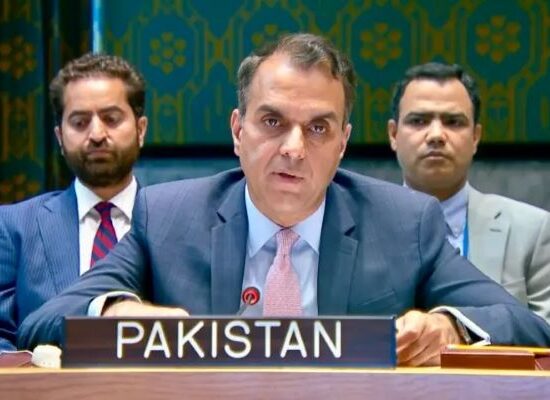

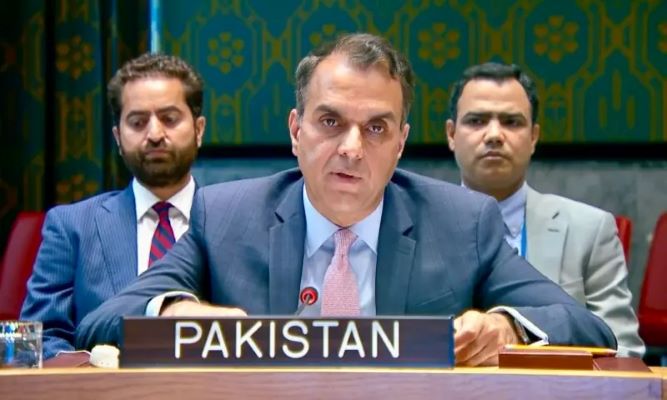
Pakistan has called for urgent action on climate finance and stronger cooperation over shared water resources at the United Nations. The call was made by Pakistan’s Deputy Permanent Representative to the UN, Ambassador Usman Jadoon, during a debate of the General Assembly’s Second Committee.
Speaking on Tuesday, Jadoon said the committee should focus on practical solutions to major economic and development challenges. The Second Committee addresses issues including development financing, international trade, debt, climate change, technology and sustainable development.
Pakistan placed climate finance and water cooperation among its key priorities. Jadoon urged the international community to establish a credible path toward mobilising $300 billion in climate finance through grants and concessional financing. He also called for increased adaptation funding and adequate resources for the Loss and Damage Fund.
Pakistan supported efforts by Türkiye and Australia to make the upcoming COP31 a conference focused on delivery. Jadoon stressed that climate commitments should result in financial resources and practical action for developing countries facing serious climate-related risks.
On water issues, Pakistan called for the UN Water Conferences in 2026 and 2028 to address challenges linked to shared water resources. Jadoon stressed the importance of international law and respect for existing water treaties, an issue of particular relevance to transboundary rivers in South Asia.
Pakistan also highlighted the wider financing challenges faced by developing countries. Jadoon said the annual financing gap for achieving the Sustainable Development Goals is estimated at $4 trillion. Islamabad called for stronger international public finance, debt architecture reforms, improved development assistance and more affordable borrowing.
The Pakistani delegation also raised concerns about trade and artificial intelligence. Islamabad urged reforms to the World Trade Organisation’s dispute settlement system and greater protection for developing countries. Jadoon further warned that AI could widen the development gap unless poorer countries gain better access to technology, skills and investment.