
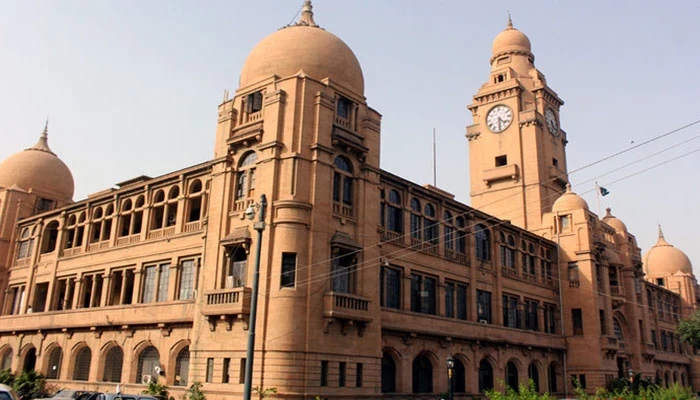
KARACHI: The draft of the Sindh Local Government Amendment Bill 2026 has been prepared, outlining a number of proposed changes to the province’s local government system. A copy of the draft has also emerged.
Under the proposed legislation, the existing mayor or chairman would continue performing administrative duties after the expiry of a council’s term until the next local government elections are held. The Sindh government would be required to approach the Election Commission 120 days before the completion of a council’s term to initiate the process for new local elections.
The draft also proposes giving the deputy mayor or vice chairman the role of council convener. In this capacity, the official would have the authority to preside over meetings and conduct council business. Additional powers delegated by the mayor or chairman could also be exercised by the deputy mayor or vice chairman.
For metropolitan corporations, including the Karachi Metropolitan Corporation (KMC), the metropolitan commissioner would remain the chief executive under the proposed framework.
Another major proposal involves the creation of reconciliation forums in union councils, union committees, town committees and municipal committees to address public disputes. Each forum would consist of three conciliators selected from among respected members of the local community.
The draft further outlines a coordination mechanism between local representatives and the police. An SHO would be required to maintain communication with the union chairman regarding local public safety and law-and-order matters. Similarly, an SSP would coordinate with the district council chairman or corporation mayor for effective policing.
However, the proposed police coordination mechanism would not extend to district police administration, criminal investigations or prosecution matters. Union councils would also identify illegal construction and building-control violations and report them to the Sindh Building Control Authority.
Under the draft, local councils would also identify solid-waste management issues within their jurisdictions and provide relevant information to authorities. Detailed maps showing the locations and boundaries of infrastructure related to public services would also have to be prepared.
The proposed amendments further require the Local Government Commission to meet at least once every three months. Councils would also be required to allocate funds in their annual budgets for training elected representatives and local government officials, with training programmes either implemented directly or outsourced where appropriate.