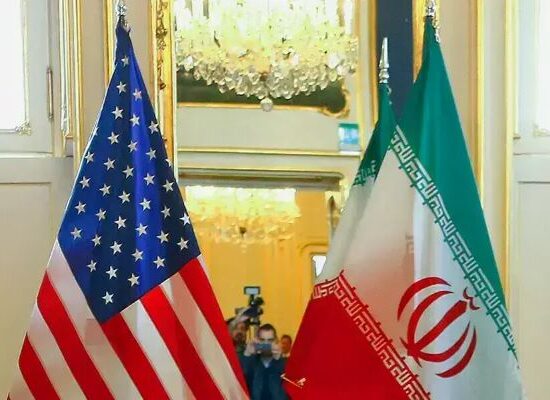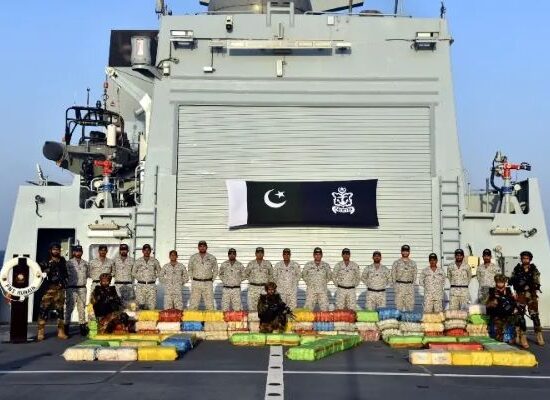

The US Iran maritime trade ban has escalated geopolitical tensions after Washington announced a complete halt to sea-based trade entering and leaving Iran. The move comes despite ongoing diplomatic signals suggesting possible renewed negotiations between the two countries.
According to US officials, the US Iran maritime trade ban has effectively stopped commercial shipping activities linked to Iran through major sea routes. The decision is part of a broader strategy to pressure Tehran economically while diplomatic channels remain partially open.
US President Donald Trump indicated that talks between American and Iranian officials could resume within days, possibly in Pakistan. Despite the military restrictions, he expressed cautious optimism about reaching a possible agreement in the near future.
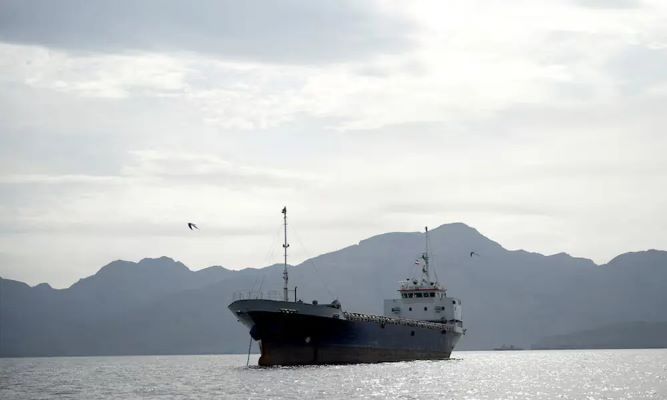
Military sources stated that the US Iran maritime trade ban has already resulted in multiple vessels being turned away, including sanctioned oil tankers operating near the Strait of Hormuz. The blockade is reportedly targeting a key source of Iran’s economic activity.
US Central Command officials claimed that within 36 hours of enforcement, most maritime trade routes linked to Iran were disrupted. They emphasized that Iran heavily depends on sea trade for its economic stability.
However, diplomatic discussions are still ongoing behind the scenes. Reports suggest that back-channel communication between US and Iranian negotiators, possibly involving regional mediators, has shown some progress despite the escalating pressure.
As the US Iran maritime trade ban continues, global markets are reacting with caution. Oil prices, regional stability, and international trade routes remain under close watch as the situation develops further.