
Renewed tensions between the United States and Iran have once again pushed global oil prices higher, creating fresh concerns in international energy markets. Investors are closely monitoring developments in the Middle East as fears surrounding oil supply disruptions continue to grow.
Brent crude oil recorded a significant increase and is currently trading at 111 dollars per barrel. Meanwhile, West Texas Intermediate (WTI) crude oil climbed to 107 dollars per barrel in the global market. Murban crude oil also witnessed a rise, reaching 108 dollars per barrel during the latest trading session.
The latest jump in crude oil prices comes after reports of increasing geopolitical uncertainty involving the United States and Iran. Market analysts believe that any escalation in the region could directly impact global energy supplies and transportation routes.
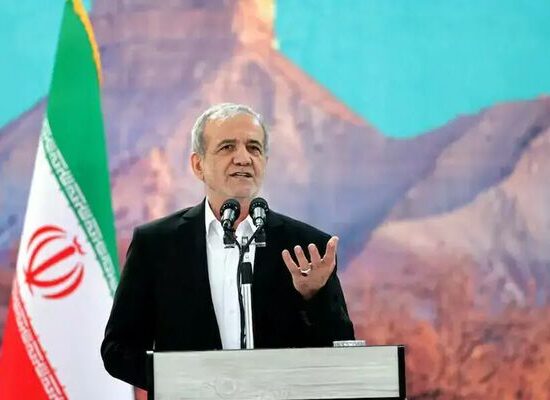
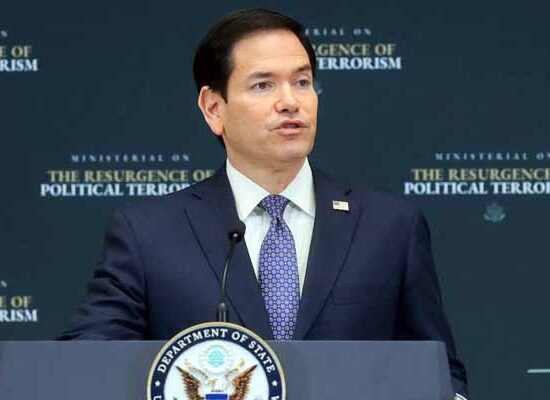
Earlier,US President Donald Trump reportedly rejected several Iranian proposals, which further intensified uncertainty in international markets. Investors fear that diplomatic deadlock between Washington and Tehran may continue to affect oil exports from the Gulf region.
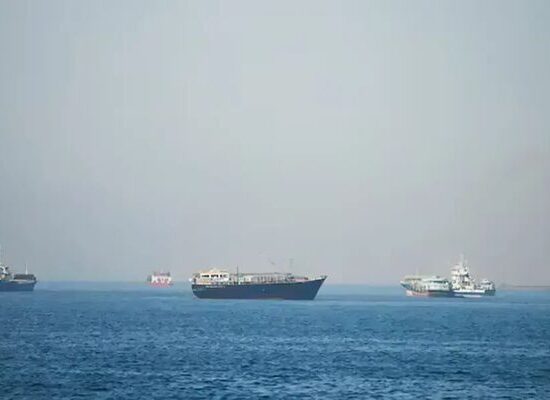
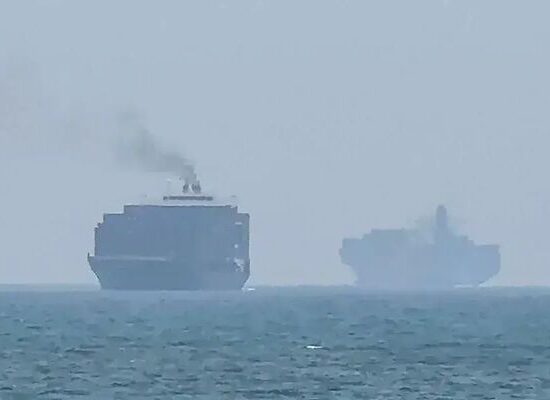
Another major concern for global traders is the uncertain situation surrounding the Strait of Hormuz. The strategic waterway is considered one of the world’s most important oil shipping routes, handling a large portion of daily crude oil exports.
Energy experts warn that prolonged instability in the Middle East could trigger additional price increases in crude oil markets. Rising fuel prices may also affect transportation, manufacturing, and inflation rates in many countries worldwide.
Global financial markets are now watching closely for any political or military developments between the US and Iran. Analysts suggest that unless tensions ease, oil prices may remain volatile in the coming weeks.