
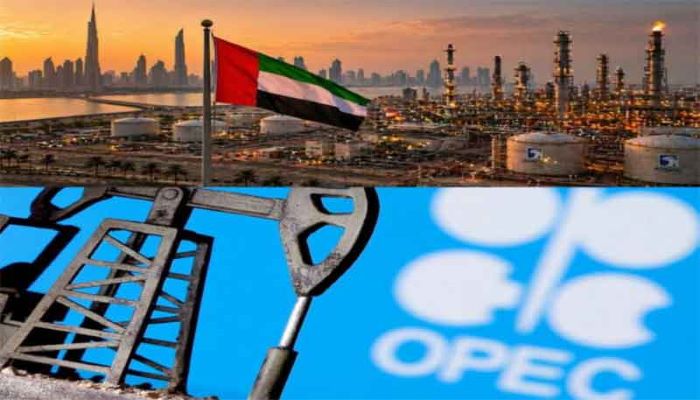
The UAE OPEC Exit has been described by the country’s energy minister as a sovereign and strategic move rather than a political decision. UAE Energy Minister Suhail Al Mazrouei said the withdrawal from OPEC and OPEC+ was based on a detailed review of the country’s future oil production goals and energy strategy.
In a statement shared on X on Saturday, Mazrouei clarified that the UAE’s departure should not be viewed as a sign of conflict with other oil-producing nations. He stressed that the decision reflects the country’s long-term economic planning and growing production capabilities rather than disagreements within the alliance.
The UAE OPEC Exit officially took effect on May 1 after the country announced its decision in late April. The move surprised global energy markets because the UAE has been one of the largest producers within OPEC. Analysts believe the withdrawal could reduce the group’s influence over global oil supply management.
Mazrouei also rejected suggestions that the decision was linked to political tensions with neighboring countries, including Saudi Arabia. He said the UAE continues to maintain strong relations with its regional and international partners despite leaving the producers’ alliance.
The exit comes during a period of uncertainty in global energy markets due to the ongoing Iran-related regional crisis. Rising geopolitical tensions have already increased concerns over oil supply stability and future energy prices. Experts say the departure of a major producer like the UAE could further impact market confidence.
OPEC and OPEC+ have been working together for years to regulate oil production and stabilize prices. However, differences among member countries over production targets and market strategies have occasionally created pressure within the alliance. The UAE OPEC Exit is now being seen as one of the most significant developments for the group in recent years.
Despite leaving OPEC+, the UAE has indicated it will continue cooperating with global energy partners and remain committed to maintaining stability in oil markets. Industry observers are closely watching how the decision will affect future production policies, regional relations, and international crude oil prices in the coming months.