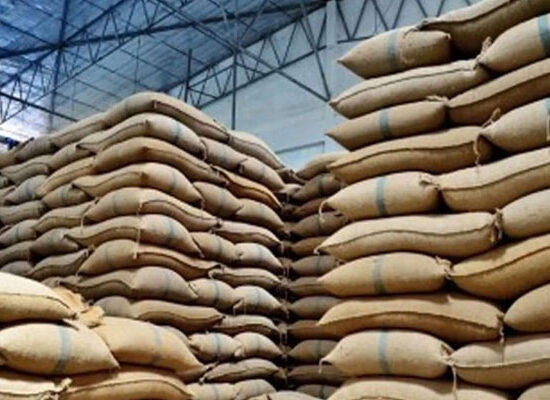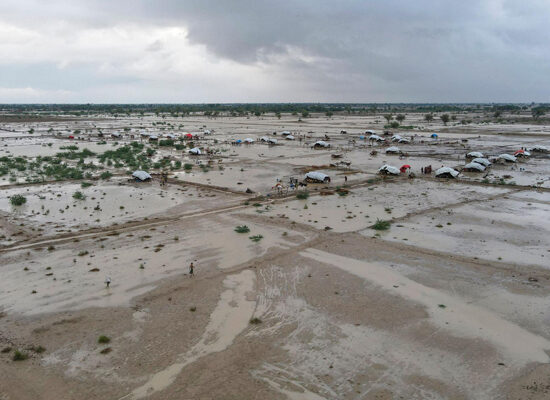

Islamabad: Reports claiming that 4.5 million tons of wheat are missing in Punjab have sparked renewed concerns about Pakistan’s wheat management system. In a separate development, nearly 600,000 tons of wheat are also reportedly unaccounted for in Sindh, raising questions about stock management, transparency, and possible hoarding.
According to sources, the issue surfaced during a high-level meeting where Punjab officials asked representatives from other provinces whether the missing wheat had been transported outside the province. Officials from other provinces reportedly denied receiving such quantities, leading to concerns that large wheat stocks may have been stored by private traders instead.
Agricultural experts warn that if the wheat crisis is not investigated promptly, Pakistan may have to increase wheat imports to meet domestic demand. Some estimates suggest the country’s wheat import bill could reach US$1 billion, placing additional pressure on the national economy and food security.
Sources also stated that the government had fixed the wheat support price at Rs3,500 per maund. However, private buyers reportedly showed limited interest in purchasing wheat at that rate. To encourage procurement, the Punjab government introduced incentives for the private sector, while businesses requested easier access to bank financing to purchase larger quantities.
At the beginning of the harvesting season, wheat prices in Sindh and Khyber Pakhtunkhwa reportedly climbed to around Rs4,500 per maund. During the same period, allegations emerged that some traders purchased wheat directly from farmers without completing tax or permit requirements and later stored the grain, contributing to concerns about possible hoarding.
Agriculture specialists believe that policy changes over the past few years shifted wheat procurement from government agencies to the private sector. While this approach aimed to improve market efficiency, experts argue that insufficient oversight may have created opportunities for supply disruptions and stock irregularities.
Authorities are now facing growing calls for a transparent investigation into the reported discrepancies. Analysts say that verifying wheat records, strengthening monitoring mechanisms, and ensuring accountability will be essential to protecting farmers, stabilising market prices, and maintaining Pakistan’s food security.