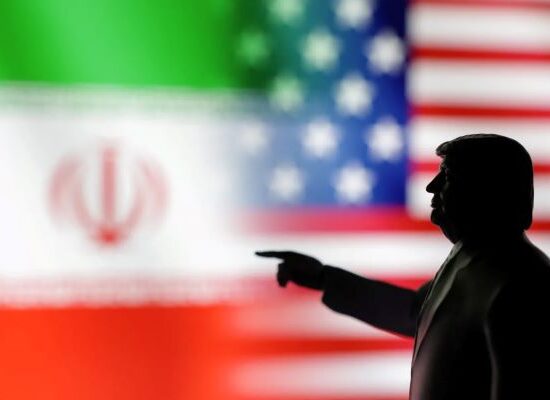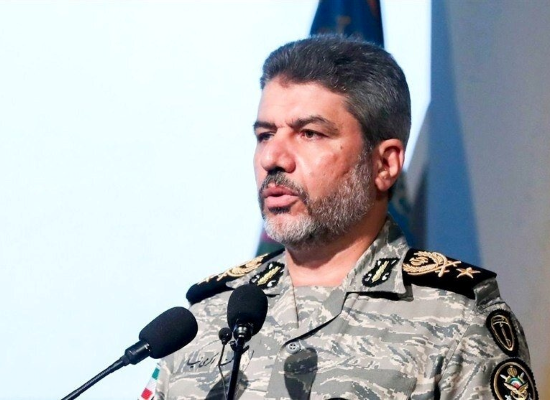

Iran US sanctions have come under renewed criticism from Tehran, with Foreign Ministry spokesman Esmail Baghaei saying no country can prevent foreign entities from conducting trade with a third country.
Baghaei said US sanctions against Iran extend beyond what Tehran describes as an economic campaign against the country. He argued that Washington should not be able to restrict companies and institutions in other countries from engaging in lawful trade with Iran.
The Iranian spokesman maintained that such restrictions have no legal basis under international law. His comments reflect Tehran’s long-standing opposition to unilateral sanctions imposed by individual countries outside a United Nations sanctions framework.
Baghaei also argued that the US measures violate the UN Charter. Iran has repeatedly challenged the legitimacy of unilateral economic restrictions and called for international mechanisms to govern sanctions and international trade.
The issue has gained additional attention amid continuing pressure on Iran’s economic and commercial links with other countries. Tehran has sought to maintain trade relations despite restrictions targeting its economy and financial system.
Iran US sanctions have also affected companies and financial institutions that conduct business involving Iran. Iranian officials argue that extending restrictions beyond US jurisdiction amounts to pressure on third-country businesses and governments.
The Iranian position comes as regional economic and diplomatic tensions remain high. Tehran continues to emphasize its right to maintain commercial relations with foreign partners, while opposing measures it considers unlawful or economically coercive.
Baghaei’s latest remarks underline Iran’s rejection of broader restrictions on its international trade. Tehran maintains that foreign entities should be free to conduct lawful transactions with Iran and that unilateral sanctions cannot override international legal principles.