
Strait of Hormuz tolls have become a new source of revenue for Iran, as officials confirmed the country has received its first payments following the introduction of charges on one of the world’s most strategic shipping routes.
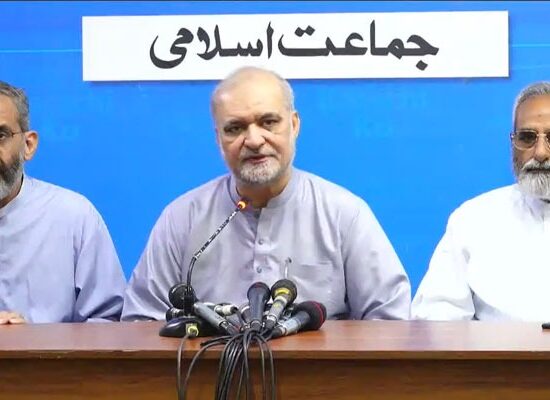
A senior Iranian parliament official stated that the first revenue from Strait of Hormuz tolls was deposited into the Central Bank account. The statement was made by deputy speaker Hamidreza Hajibabaei, according to Iranian media reports.
The Strait of Hormuz tolls were introduced amid heightened tensions in the region involving Iran, the United States, and Israel. The move reflects Tehran’s efforts to exert greater control over one of the world’s most critical oil transit corridors.
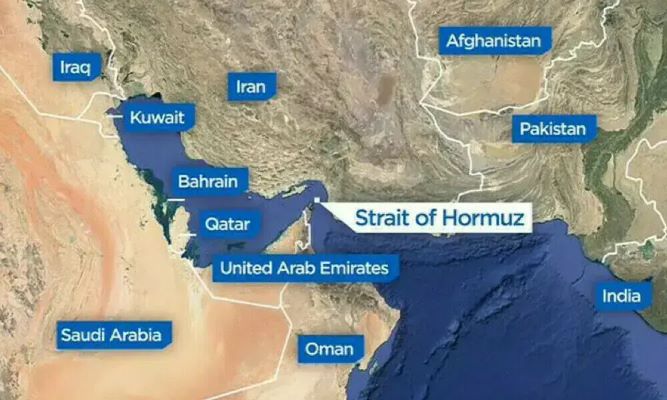
The Strait of Hormuz is a vital maritime chokepoint through which a significant portion of global oil shipments pass. Any disruption or additional costs in this region can have a direct impact on global energy prices and shipping logistics.
Iranian authorities have not disclosed detailed figures regarding the revenue collected or the structure of the toll system. However, state-linked media confirmed that the funds were officially transferred to the central banking system.
The development comes alongside reports of increased maritime enforcement activity in the region, including claims by Iran’s Revolutionary Guard of intercepting vessels attempting to cross the Strait of Hormuz.
Analysts suggest that the Strait of Hormuz tolls could further escalate geopolitical tensions while also giving Iran an additional financial lever in ongoing regional disputes.