
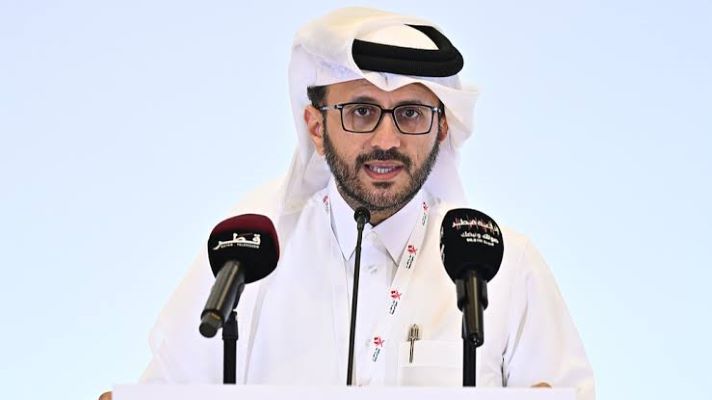
The Iran war has highlighted the need for Gulf security self-sufficiency, according to Qatar’s Foreign Ministry spokesperson Majed al-Ansari. He said Gulf Arab states should strengthen their own security capabilities instead of relying only on international partnerships.
Speaking at a panel at the Hili Forum in Abu Dhabi on Monday, Ansari said the region’s relationship with the United States remains important. However, he stressed that a strategic alliance with Washington cannot by itself provide a complete security solution for Gulf countries.
Ansari said the conflict had offered an important lesson for countries across the Gulf. According to him, regional states need to develop stronger independent capabilities to respond to security challenges and protect their interests during periods of instability.
The Qatari official said international military forces continue to play an important role in regional security. At the same time, Gulf countries need to reduce their dependence on outside powers and focus on building greater Gulf security self-sufficiency.
His comments come as Gulf Arab states continue to assess the wider security impact of the Iran war. The conflict has raised questions about how regional countries can protect their territory and critical interests when tensions involving major powers increase.
Ansari argued that stronger domestic security capabilities should become a key part of the region’s future strategy. He said maintaining partnerships with countries such as the United States remains valuable, but those relationships should complement rather than replace regional preparedness.
The remarks point to a broader discussion about the future of Gulf security. For Qatar, Gulf security self-sufficiency means developing the ability to respond independently while maintaining strategic international partnerships. The approach could influence how Gulf states plan their security policies in the coming years.