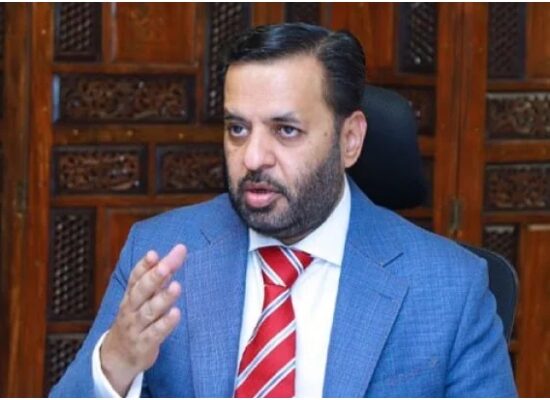

South Korea has clarified that its proposed naval deployment extension in the Gulf of Aden does not indicate involvement in the ongoing US-Iran war. Defence Minister Kang Shin-chul said the move is aimed at protecting South Korean vessels and citizens rather than supporting military operations in the regional conflict.
Speaking to lawmakers in Seoul on Monday, Kang rejected suggestions that extending the mission could amount to indirect military participation in the conflict involving the United States, Israel and Iran. He stressed that the naval deployment has a separate security objective.
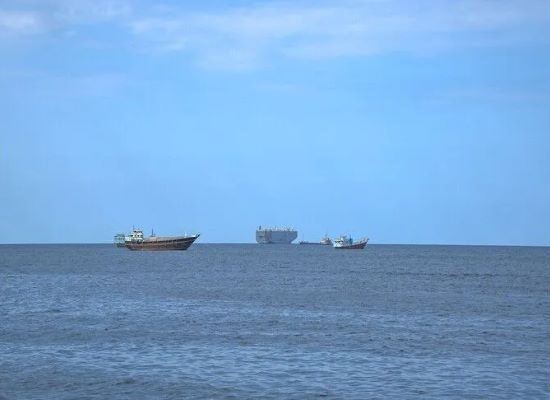
The minister explained that the proposal concerns the continued deployment of the Cheonghae Unit, South Korea’s anti-piracy naval force operating in the Gulf of Aden. The unit’s primary responsibility is to protect South Korean ships travelling through the strategically important maritime corridor.
Kang also highlighted a significant increase in piracy activity in the region. According to the defence minister, reported piracy incidents have more than tripled compared with the previous year. He cited the development as an important reason for maintaining the naval mission.
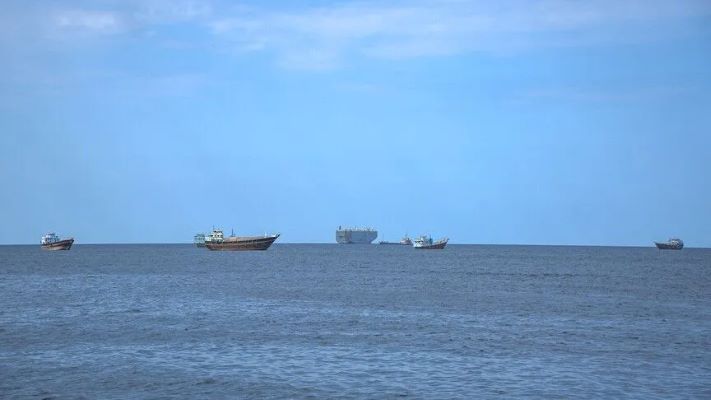
The Gulf of Aden serves as an important international shipping route, connecting maritime traffic between the Indian Ocean and the Red Sea. Security threats along this corridor can create risks for commercial vessels and their crews, making maritime protection a continuing concern for countries using the route.
However, Kang maintained that extending the Cheonghae Unit’s deployment should not be interpreted as South Korea taking sides in the US-Iran conflict. His remarks aimed to distinguish the country’s anti-piracy responsibilities from the wider military tensions surrounding the Strait of Hormuz.
The statement comes amid heightened regional tensions and growing concerns about maritime security. South Korea’s position indicates that its proposed deployment extension is focused on protecting national interests, safeguarding its citizens and maintaining the security of its vessels operating in the Gulf of Aden.