
Oil prices moved higher on Wednesday as uncertainty surrounding negotiations between Iran and the United States renewed concerns about potential supply disruptions in the Middle East. Investors closely monitored diplomatic developments, with the market weighing the possibility that prolonged tensions could affect global crude supplies.
Brent crude futures rose 33 cents, or 0.45%, to $73.28 a barrel, while US West Texas Intermediate (WTI) crude gained 34 cents, or 0.49%, to $69.84 a barrel during early trading. The gains reflected cautious sentiment among traders despite recent signs of improving regional stability.
Market analysts said attention remains focused on the Strait of Hormuz, a critical shipping route for global energy supplies. Vandana Hari, founder of Vanda Insights, said the waterway is reopening gradually but conditions remain uneven, suggesting markets may remain cautious until there is greater clarity in diplomatic efforts between Washington and Tehran.
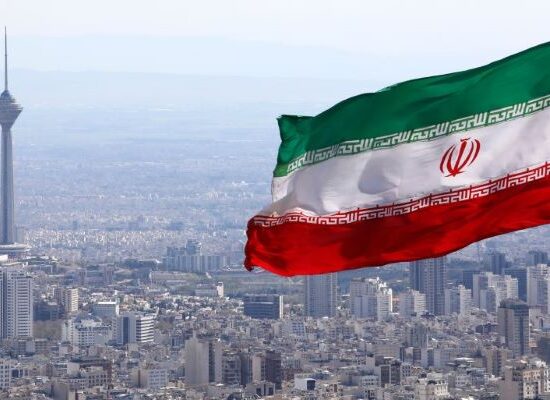
The latest increase in oil prices came after senior US officials, including Jared Kushner and envoy Steve Witkoff, traveled to Doha for high-level discussions. However, Iran and Qatar indicated that any engagement with Iranian representatives would continue through mediators rather than direct negotiations.
Earlier this year, crude prices recorded sharp quarterly declines as hopes for easing regional tensions improved market sentiment. Brent crude posted its largest quarterly loss since 2008, while US crude experienced its steepest quarterly decline since 2020 following progress toward reducing conflict-related risks.
Market participants are also monitoring developments in the Strait of Hormuz, where tanker traffic has begun recovering. US Vice President JD Vance said Iran would not be allowed to impose tolls on vessels using the strategic waterway and added that oil shipments had returned to pre-conflict levels.
In addition to geopolitical developments, traders are awaiting official US inventory figures after industry data indicated another significant decline in crude stockpiles. The direction of oil prices in the coming days is expected to depend on both diplomatic progress in the Middle East and fresh economic data affecting global energy demand.