
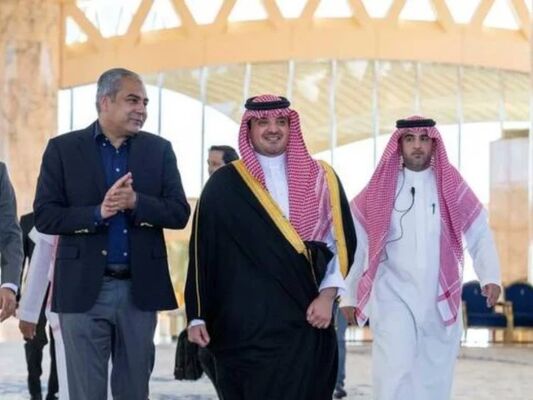
The Mohsin Naqvi Saudi Arabia visit began on Tuesday as Pakistan’s Interior Minister arrived in Riyadh for an official trip aimed at strengthening cooperation between the two countries. The visit is expected to focus on internal security, counter-narcotics efforts, and expanding institutional collaboration between the interior ministries of Pakistan and Saudi Arabia.
Upon his arrival at King Khalid International Airport, Mohsin Naqvi was received by Saudi Interior Minister Prince Abdulaziz bin Saud bin Naif. The high-level reception underscored the close diplomatic and security relationship that Islamabad and Riyadh have maintained over the years.
According to official details, both sides are expected to discuss a range of issues of mutual interest, including enhanced cooperation in internal security, measures to combat narcotics trafficking, and mechanisms to improve coordination between the relevant government institutions.
The Mohsin Naqvi Saudi Arabia visit comes as Pakistan and Saudi Arabia continue to deepen their long-standing strategic partnership. The two countries regularly engage through high-level exchanges covering political, economic, defence, and security matters, reflecting their shared regional interests.
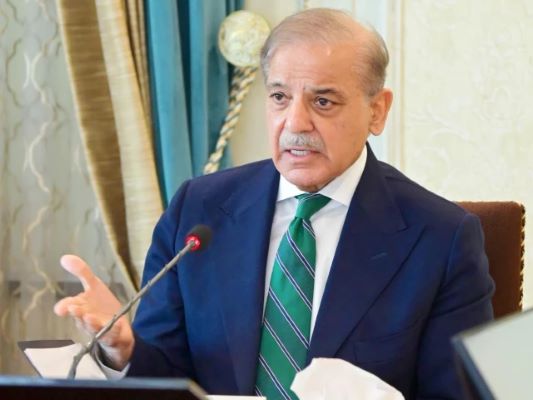
Their security relationship was further strengthened in September 2025 with the signing of a Strategic Mutual Defence Agreement during Prime Minister Shehbaz Sharif’s visit to Riyadh. The agreement reaffirmed both countries’ commitment to expanding defence cooperation and enhancing regional security coordination.
Recent cooperation has also included Pakistan’s deployment of fighter aircraft and military personnel to Saudi Arabia under the bilateral defence framework. In addition, authorities announced in May that 200 personnel from Pakistan’s Federal Constabulary Special Diplomatic Protection Unit would receive specialised training in the Kingdom.
The Mohsin Naqvi Saudi Arabia visit is expected to reinforce existing security ties and identify new areas of cooperation. Officials from both countries are likely to explore practical measures that further strengthen bilateral relations while promoting regional stability and institutional collaboration.