
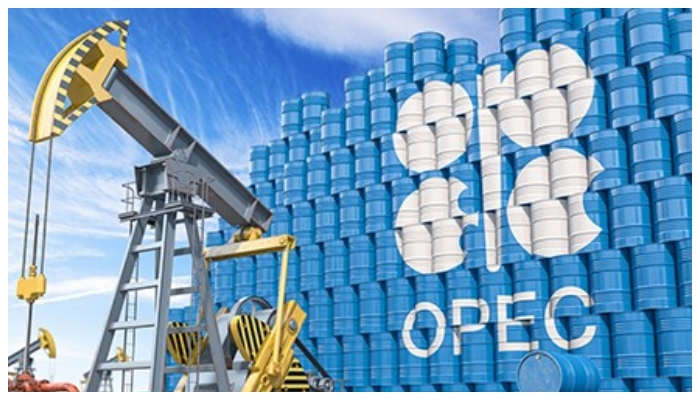
Global oil markets faced fresh uncertainty after the Organization of the Petroleum Exporting Countries (OPEC) recorded its lowest oil production level in more than two decades. The sharp decline came amid regional tensions, supply disruptions, and instability in key energy-producing countries across the Middle East.
According to a recent survey by Reuters, OPEC’s collective oil production in April fell significantly, dropping by nearly 830,000 barrels per day. The decline pushed total production to below 20 million barrels daily, marking the lowest output level recorded in 26 years.
One of the major reasons behind the decline was the disruption caused by tensions around the Strait of Hormuz, one of the world’s most important oil shipping routes. The closure and operational difficulties in the region severely affected oil exports from Gulf nations, especially Kuwait.
Kuwait experienced the biggest production setback during April, with reports indicating that the country exported almost no crude oil during the month. Analysts believe the shutdown created serious logistical and economic pressure on regional energy markets.
Meanwhile, Saudi Arabia and Iraq also witnessed major reductions in oil output. Saudi oil production reportedly dropped to nearly 7 million barrels per day after attacks targeted parts of the kingdom’s energy infrastructure, raising concerns about regional energy security.
In contrast, the United Arab Emirates emerged as the only Gulf country to increase oil production during April. Industry experts suggest the UAE managed to maintain stable operations despite regional instability and shipping disruptions.
Outside the Gulf region, both Venezuela and Libya reported modest increases in crude oil production. Energy analysts warn that continued geopolitical tensions could keep global oil prices volatile in the coming months as markets closely monitor OPEC’s next production strategy.