
The OPEC+ oil production decision has moved forward as several member countries agreed in principle to increase oil output targets by around 188,000 barrels per day in June, despite growing instability in global energy markets.
The agreement comes as part of ongoing discussions among key oil producers, even as the United Arab Emirates has announced its exit from the group, marking a significant shift within the alliance.
According to sources familiar with the talks, the OPEC+ oil production decision is largely symbolic at this stage due to major disruptions in global shipping routes, particularly through the Strait of Hormuz.
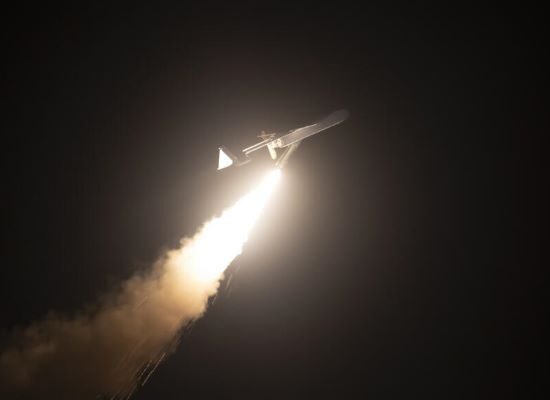
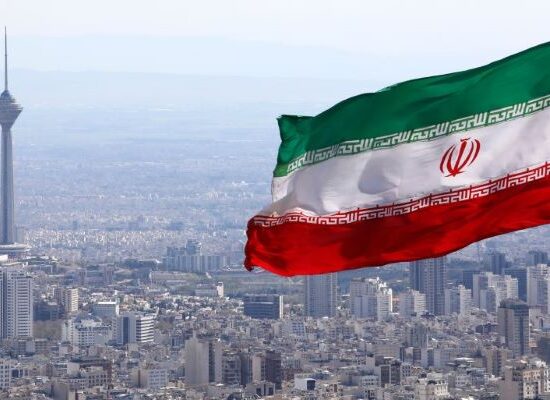
The ongoing conflict involving the United States and Israel against Iran has severely impacted maritime oil transportation. As a result, exports from several Gulf producers have been significantly reduced.
Countries including Saudi Arabia, Iraq, Kuwait, and the UAE have faced export constraints due to restricted access to key shipping lanes, affecting overall supply levels despite planned production increases.
The group’s output adjustments are also influenced by internal changes, including the UAE’s departure from OPEC+, which has reshaped coordination among major oil-producing nations.
The OPEC+ oil production decision involves seven key members: Saudi Arabia, Iraq, Kuwait, Algeria, Kazakhstan, Russia, and Oman. These countries continue to lead monthly production discussions.
Analysts say that while the planned increase is modest, the broader market remains highly sensitive to geopolitical tensions and disruptions in global oil transport routes.