

The US-Iran Deal announced by US President Donald Trump has triggered strong criticism from Israeli political leaders and analysts, who argue that the agreement benefits Tehran while leaving key Israeli security concerns unresolved. The deal, reached under Pakistani mediation, aims to halt regional hostilities and ease tensions across the Middle East.
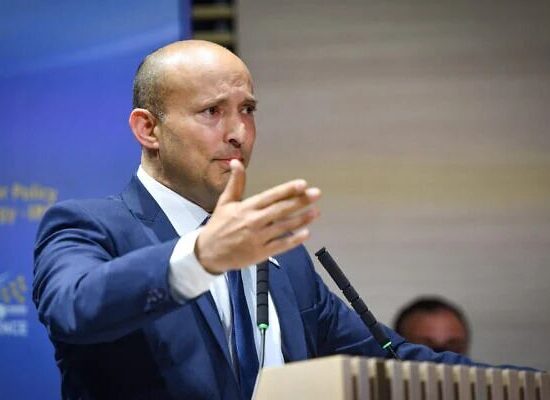
Israeli Finance Minister Bezalel Smotrich described the US-Iran Deal as “bad for Israel and the entire free world.” In a statement on social media, he said Israel would continue efforts to prevent Iran from acquiring nuclear weapons and vowed to maintain pressure on groups allied with Tehran.
Trump announced that the agreement includes ending military confrontations on multiple fronts, reopening the Strait of Hormuz, and lifting a US naval blockade on Iran. The development has been presented as a major diplomatic breakthrough aimed at reducing instability in the region.
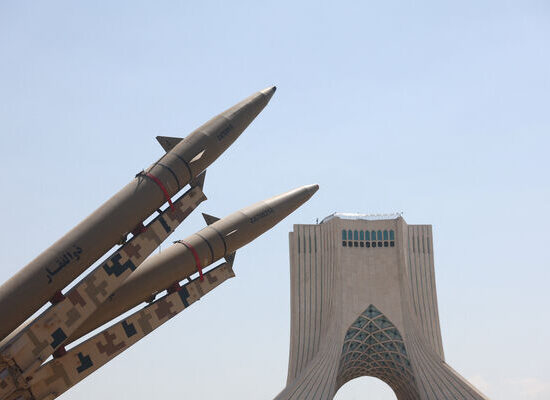
However, several Israeli analysts argue that the US-Iran Deal does not address critical issues such as Iran’s ballistic missile program and its support for regional allies. They contend that these omissions could allow Tehran to expand its influence despite ongoing international concerns.
Political commentator Ben-Dror Yemini described the agreement as a “political victory” for Iran, arguing that it grants international legitimacy to Tehran without securing significant concessions. He said regional groups supported by Iran could continue their activities despite the agreement.
In separate analyses, commentators Ben Caspit and Avi Ashkenazi argued that Israel had suffered a diplomatic setback. They claimed the country was unable to influence the final terms of the agreement and warned that Iran’s nuclear ambitions remain a significant concern.
Despite differing views on the agreement’s long-term impact, the US-Iran Deal has intensified debate within Israel over regional security and foreign policy strategy. Observers say the success of the agreement will ultimately depend on its implementation and its ability to address broader regional challenges.